Piles Pain Relief Ointment How to Choose and Use It

You're sitting on the edge of the bed after a bowel movement, wondering whether the burning will settle down before you have to work, travel, or care for your baby. The right piles pain relief ointment can provide temporary comfort, but choosing safely means looking beyond the fastest numbing sensation.
It's not widely recognized that anal fissure pain, irritated skin, thrombosed hemorrhoids, and ordinary hemorrhoid discomfort can feel similar. This guide shows how to compare ingredients, apply an ointment gently, recognize warning signs, and decide when self-care has reached its limit.
Table of Contents
- Understanding What Piles Pain Relief Ointment Can Do
- How to Choose the Right Formula for Your Symptoms
- How to Apply Piles Ointment Safely and Effectively
- Dosing Limits and When to Seek Medical Care
- Pregnancy Postpartum and Medication Safety Notes
- Building Lasting Comfort Beyond the Ointment
Understanding What Piles Pain Relief Ointment Can Do
Hemorrhoids, often called piles, can cause itching, burning, soreness, pressure, and tenderness around the anus. A fissure, which is a small tear in the anal lining, may cause sharper pain during or after a bowel movement. Those symptoms can overlap, so the label “hemorrhoid pain” doesn't always identify the actual source.
A topical ointment works at the surface. Depending on its ingredients, it may temporarily numb discomfort, soothe irritated skin, support a protective barrier, or reduce the feeling of swelling. It isn't a cure for every cause of anal pain, and relief can fade when the underlying irritation continues.
Practical rule: Use an ointment to make daily activity and bowel movements more comfortable, but don't use temporary relief as a reason to ignore persistent, severe, or bleeding symptoms.
The location of the discomfort gives you useful information. External irritation often feels like burning, itching, or tenderness on the skin. Internal symptoms may feel like pressure or fullness, and a product must specifically state whether internal use is allowed. Pain that remains sharp after bowel movements, especially when it keeps returning, deserves medical attention because a fissure may need a different approach from a simple numbing product.

Why the category is established
Topical anorectal treatments have been part of mainstream care for decades. In 2004, an estimated 2 million ambulatory care visits listed hemorrhoids as the first diagnosis, while 3.2 million visits included hemorrhoids as any diagnosis. Nearly 2 million hemorrhoid prescriptions were filled at retail pharmacies that year, with topical treatments such as pramoxine and hydrocortisone among commonly prescribed therapies, as summarized in this historical hemorrhoid utilization report.
The U.S. OTC framework later formalized the category. The FDA posted anorectal OTC monograph M015 on October 1, 2021, followed by a final administrative order in 2022, creating a defined pathway for nonprescription anorectal products. That context helps explain why shoppers can compare active ingredients through a Drug Facts label instead of treating every ointment as an untested home remedy.
If pain is severe, bleeding occurs, symptoms keep returning, or you're unsure whether the problem is a hemorrhoid or fissure, contact a healthcare provider.
How to Choose the Right Formula for Your Symptoms
Start with the symptom that bothers you most, not the product name on the front of the package. A numbing ingredient may be useful for burning, while a protectant may feel better when wiping and friction are the main problems.
Match the ingredient to the complaint
| Ingredient Type | Primary Relief | Best For | Consideration |
|---|---|---|---|
| Lidocaine | Temporary numbing | Pain, soreness, burning, and itching | It can make symptoms easier to tolerate, but persistent pain still needs evaluation |
| Phenylephrine | Temporary swelling support | Products aimed at swollen hemorrhoidal tissue | People with certain health conditions or medicines should ask a pharmacist first |
| Protectants | Skin coating and friction support | Irritated, dry, or tender external skin | A barrier doesn't identify the cause of bleeding or ongoing pain |
| Witch hazel | Soothing astringent care | Itching, irritation, and cleansing support | Stop if irritation increases, and follow the product's warnings |
| Aloe and similar soothing ingredients | Comfort for irritated skin | People who prefer a formula with additional skin-soothing ingredients | Botanical ingredients can still irritate sensitive skin |
Lidocaine 5% is a topical anesthetic used for anorectal pain, soreness, burning, and itching. One FDA-style label also states that it can temporarily reduce swelling associated with irritated hemorrhoidal tissue and other anorectal disorders, as described in this lidocaine ointment label.
Combination formulas deserve careful attention. A literature review describes lidocaine and phenylephrine products for itching, discomfort, burning, and pain linked with bowel movements. In a randomized comparison cited in that review, phenylephrine suppositories produced a complete response in 32.7% of participants at 5 days, compared with 75.5% for recombinant streptokinase. Another benchmark reported 92% resolution with 0.3% nifedipine plus 1.5% lidocaine, versus 45.8% with lidocaine alone. These findings come from selected clinical comparisons, so they don't mean every combination will suit every person, but they do show why ingredient choice matters. See the clinical review of topical anorectal treatments for the cited comparisons.
A simple lidocaine ointment may fit short-term external burning or itching. A multi-ingredient product may address more than one symptom, but it also creates more reasons to read warnings and check with a pharmacist.
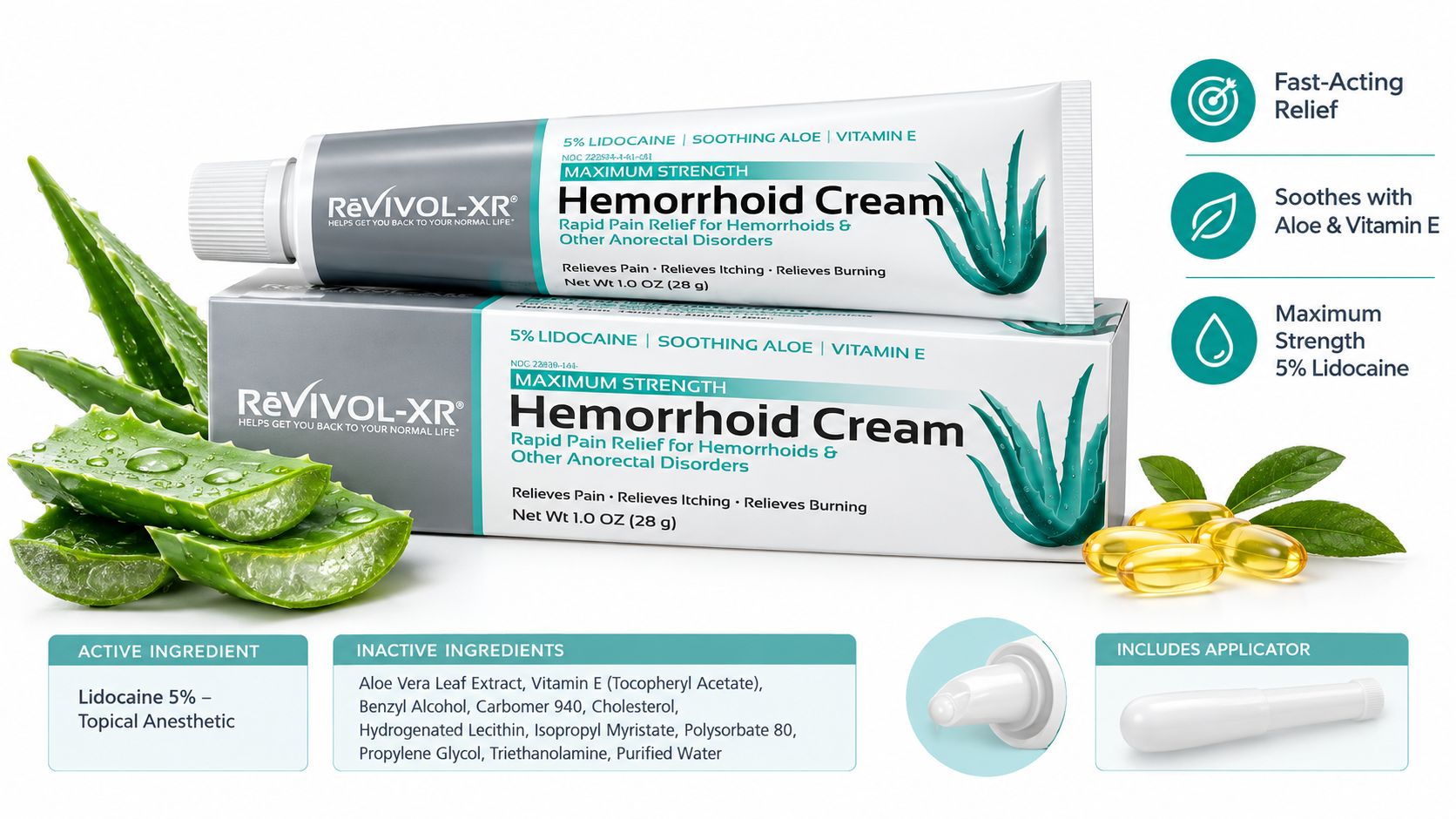
For readers comparing a single anesthetic with broader topical care, Revivol-XR 5% Lidocaine Numbing Cream contains lidocaine 5% with aloe and vitamin E and is described for temporary external relief from hemorrhoid discomfort, burning, and itching. Its product information says to follow the label, use it externally, and seek medical advice if symptoms persist, worsen, or include bleeding.
You can also compare the texture, intended location, and active ingredients in this guide to cream or ointment for hemorrhoids. Ointments often feel more coating, while creams may feel lighter, but comfort and label directions should guide the choice.
How to Apply Piles Ointment Safely and Effectively
The application routine matters as much as the ingredient. Irritated skin can become more uncomfortable when you scrub, rub, or apply too much product at once.
A gentle routine
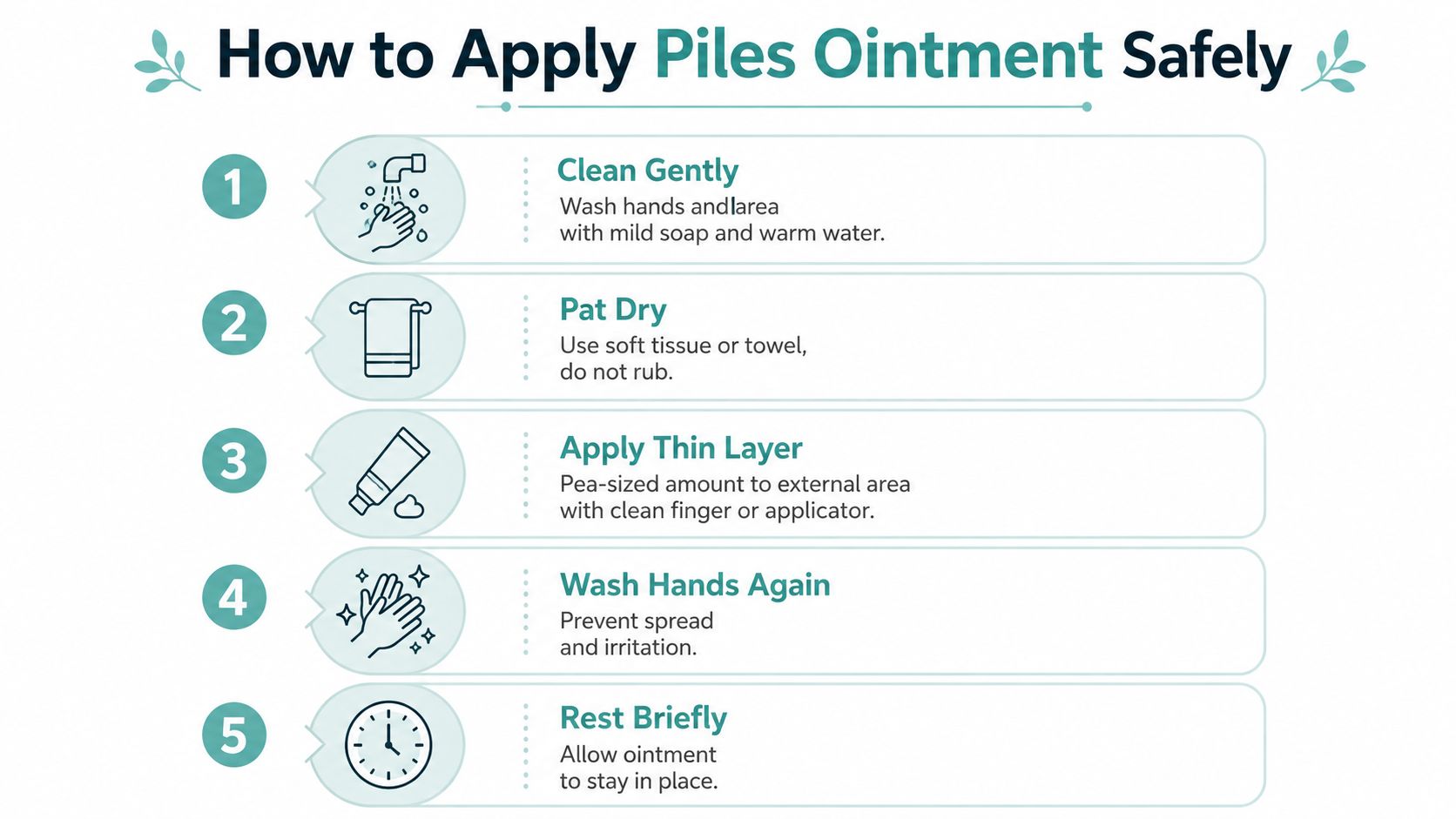
- Wash your hands first. Use mild soap and warm water. Clean the affected area gently, without vigorous rubbing.
- Pat the area dry. Blot with soft tissue or a clean towel. Rubbing can add friction to already sensitive skin.
- Apply a thin external layer. Use only the amount stated on the label. More ointment won't necessarily produce more relief and may increase mess or irritation.
- Time the application thoughtfully. Label directions for common OTC hemorrhoid ointments often include use after bowel movements, in the morning, and at night. One DailyMed label allows external application up to 4 times daily, as described in the consumer directions for lidocaine and phenylephrine ointment.
- Wash your hands again. This reduces the chance of spreading product to your eyes or other sensitive areas.
When internal application is allowed
Never assume an external ointment belongs inside the rectum. If the label allows internal use, lubricate the applicator, insert it gently, and clean it thoroughly after every use. Stop if insertion causes additional pain.
The DailyMed directions emphasize cleansing, drying, and reapplying externally up to four times daily, especially after bowel movements. They also describe “regular use” as continual therapy for symptom relief, which supports a consistent label-directed routine rather than applying a large amount only when the discomfort becomes intense. Read the product directions for hemorrhoid ointment application before using any product with an applicator.
For a visual reminder of gentle application and hygiene, watch this short demonstration:
Keep the product away from the eyes, don't combine several medicated anorectal products unless a pharmacist confirms that's appropriate, and follow the specific package label if its directions differ.
Dosing Limits and When to Seek Medical Care
The most common mistake with an OTC ointment isn't choosing the wrong texture. It's continuing self-treatment without reassessing the symptoms.
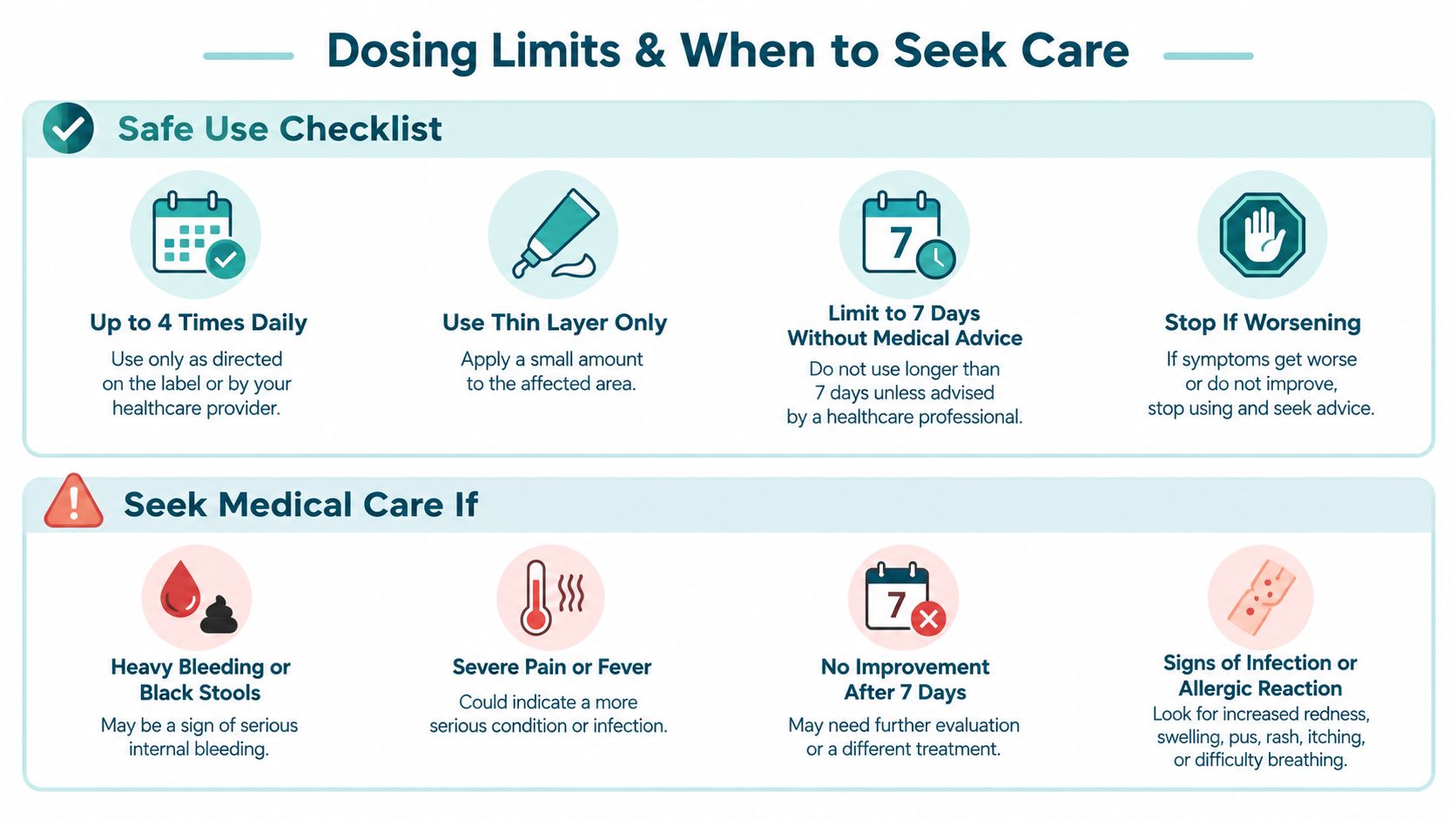
Many hemorrhoid ointment labels describe use up to 4 times daily, but products differ. A lidocaine product may have different directions from a combination product, so the Drug Facts panel is the controlling guide for that item. Apply a thin layer and don't exceed the stated daily amount.
Relief should make daily life easier. It shouldn't hide a worsening problem.
Use a simple decision check:
- Continue label-directed care when symptoms are mild, improving, and there's no bleeding or unusual reaction.
- Stop and ask for medical advice if the condition worsens, doesn't improve within 7 days, or bleeding occurs. These warnings appear on DailyMed witch hazel labeling and other anorectal product directions, including this witch hazel product safety label.
- Seek prompt care for severe pain, heavy bleeding, black stools, fever, or signs of infection or an allergic reaction.
- Reconsider the assumed cause when sharp pain continues after bowel movements or keeps returning despite topical numbing.
A fissure can create a pain pattern that lasts after stool passes. Lidocaine may temporarily dull that sensation, but numbing doesn't address every factor involved in fissure-related pain. Evidence summarized in a 2025 review found nifedipine plus lidocaine outperformed lidocaine alone or lidocaine plus hydrocortisone for several anorectal outcomes, which reinforces the importance of discussing persistent symptoms with a clinician rather than repeatedly escalating an OTC anesthetic. Read the review of topical treatment options for anorectal conditions for that comparison.
Don't keep extending self-treatment just because the ointment still provides a few hours of comfort. Persistent pain, recurrent bleeding, or a new lump should be assessed by a healthcare provider.
Pregnancy Postpartum and Medication Safety Notes
Pregnancy and the early postpartum period can make anorectal pain harder to manage. Hemorrhoids and anal fissures are reported frequently during these stages, with symptoms often beginning in the third trimester or soon after delivery, as described in this review of hemorrhoids and fissures during pregnancy and childbirth. A painful lump, itching, or pressure may fit hemorrhoids. Sharp pain that continues after a bowel movement can also point to a fissure, so choosing an ointment depends on more than how quickly it numbs.
Some hemorrhoid ointment and suppository formulations are generally considered safe during pregnancy, but safety depends on the active ingredients, dose, duration, and personal health history. See this guide to hemorrhoid cream pregnancy safety before choosing a medicated product. An NHS-linked 2025 guidance document notes that corticosteroid and local anesthetic products may have duration limits. Prolonged use can affect the skin or increase infection risk. Read the pregnancy and breastfeeding hemorrhoid guidance and follow the product label.
Run a pre-use safety check
Ask a doctor or pharmacist before using a stronger OTC ointment during pregnancy or breastfeeding, especially if you have:
- Heart disease or high blood pressure: Some ingredients may need extra caution.
- Thyroid disease or diabetes: Get advice suited to your health history.
- Difficulty urinating from an enlarged prostate: This appears among product-specific precautions.
- Prescription medicines for blood pressure or depression: A pharmacist can check for possible concerns.
The same care applies after childbirth. Postpartum symptoms may involve hemorrhoids, fissures, swelling, skin irritation, or several problems together. An OTC label does not confirm that a product suits your symptoms, breastfeeding status, or recovery.

A nonmedicated bath may offer comfort during recovery, but “natural” products can still irritate sensitive skin. Revivol-XR Sitz Bath Soak Mix contains Epsom salt, Dead Sea salt, witch hazel, aloe vera, coconut oil, and other botanical ingredients. Its product information describes external use in bath water, recommends a small sensitivity test, and advises people with sensitive skin, essential-oil allergies, diabetes, or irritation to consult a physician.
Building Lasting Comfort Beyond the Ointment
An ointment can create a more manageable window, but bowel habits determine whether irritated tissue gets repeated pressure. A practical daily plan should reduce straining, friction, and prolonged toilet sitting while keeping the surrounding skin clean and dry.
Try building the routine around these habits:
- Support easier bowel movements: Include fiber-rich foods and adequate fluids, especially if constipation is contributing to hard stools.
- Avoid straining: Give yourself time, but don't sit on the toilet for long periods scrolling or waiting.
- Use gentle movement: Short walks and regular position changes can be easier on a sore area than remaining seated for hours.
- Clean without rubbing: Pat dry after washing and avoid harsh, heavily scented products.
- Use soothing care thoughtfully: A warm sitz soak or a product containing aloe or witch hazel may feel calming, provided the label and your skin tolerate it.
- Plan discreet relief: A suitable cream, cleansing lotion, or touch-free option can be useful when work or travel makes immediate washing difficult.
Revivol-XR's product range includes temporary-relief options such as a 5% lidocaine cream and a combination cream with lidocaine, phenylephrine, glycerin, and petrolatum. These products are intended for symptom comfort, not for diagnosing or curing an underlying condition. Choose one product based on the symptom and location, follow its label, and avoid stacking active ingredients without professional advice.
Keep a brief symptom note. Record whether pain follows bowel movements, whether itching is mainly external, whether swelling changes, and whether bleeding appears. If the pattern persists, worsens, or doesn't improve within the label's stated period, bring that information to a healthcare provider instead of continuing to guess.
For discreet, label-directed options for burning, itching, and hemorrhoid-related discomfort, visit Revivol-XR to explore topical creams and soothing sitz care. Choose the product that matches your symptoms, follow the directions carefully, and contact a healthcare provider for persistent, severe, or bleeding symptoms.