Best OTC Pain Cream for Hemorrhoid Relief

Many shoppers don't realize that the best OTC pain cream for hemorrhoids can be the wrong choice if it's designed for a back, knee, or sore muscle.
When pain strikes during a bowel movement, the sharp sting of a fissure or the heavy ache of swollen tissue can make even sitting, walking, and sleeping difficult. The right product should match the location, symptoms, skin condition, and application method, not just promise the strongest sensation.
| Relief option | Best suited to | Main consideration |
|---|---|---|
| Lidocaine cream | Localized pain, itching, and burning | Numbs symptoms temporarily, but requires careful label use |
| Phenylephrine cream | Swollen hemorrhoidal tissue | Helps temporarily shrink tissue |
| Skin protectant cream | Friction, soreness, and irritated skin | Coats and shields the area |
| Witch hazel pads or lotion | Gentle cleansing and soothing | Useful when dry toilet paper causes irritation |
| Warm-water soak | General soreness and postpartum comfort | Complements topical care without adding medication |
Table of Contents
- Why Standard Pain Creams Fail Sensitive Areas
- Decoding Active Ingredients for Targeted Comfort
- Comparing Top Formulations and Delivery Methods
- Critical Safety Warnings for Irritated Skin
- Special Considerations for Pregnancy and Seniors
- Building Your Daily Comfort Routine
Why Standard Pain Creams Fail Sensitive Areas
You finish using the bathroom and feel a sudden, bright sting that seems far too intense for such a small area. A few minutes later, sitting becomes uncomfortable, wiping feels harsh, and you start searching for anything labeled “maximum strength.”
That reaction is understandable, but a muscle rub from the bathroom cabinet isn't automatically safe for anorectal discomfort. Products made for a back, shoulder, or knee may contain counterirritants such as menthol or camphor. These ingredients create cooling or warming sensations on ordinary skin, yet delicate anorectal tissue can respond with intense burning and irritation.
Location changes the risk
The skin around the anus is exposed to moisture, friction, repeated wiping, and pressure during bowel movements. A fissure may also involve a small break in the skin. That environment isn't comparable to the intact skin over a thigh or lower back.
A cream can feel “strong” because it produces heat, cold, or tingling. That sensation doesn't prove it is controlling the source of discomfort, and it can make already irritated tissue feel worse. The possible side effects of lidocaine cream also depend on the product, amount, skin condition, and how it's applied.
Practical rule: Choose a product labeled for hemorrhoidal or anorectal use, and follow its Drug Facts directions exactly.
The U.S. FDA maintains a formal monograph for external analgesic products, including permitted topical actives and conditions for OTC marketing. The current monograph posting is dated May 2, 2023, and FDA enforcement activity has continued to address nonprescription lidocaine products that don't conform to those conditions. (FDA External Analgesic Drug Products monograph)
A specialized formulation won't diagnose the cause of pain or repair a fissure. It can, however, provide a more appropriate way to manage temporary symptoms while you protect the area and decide whether medical advice is needed.
Decoding Active Ingredients for Targeted Comfort
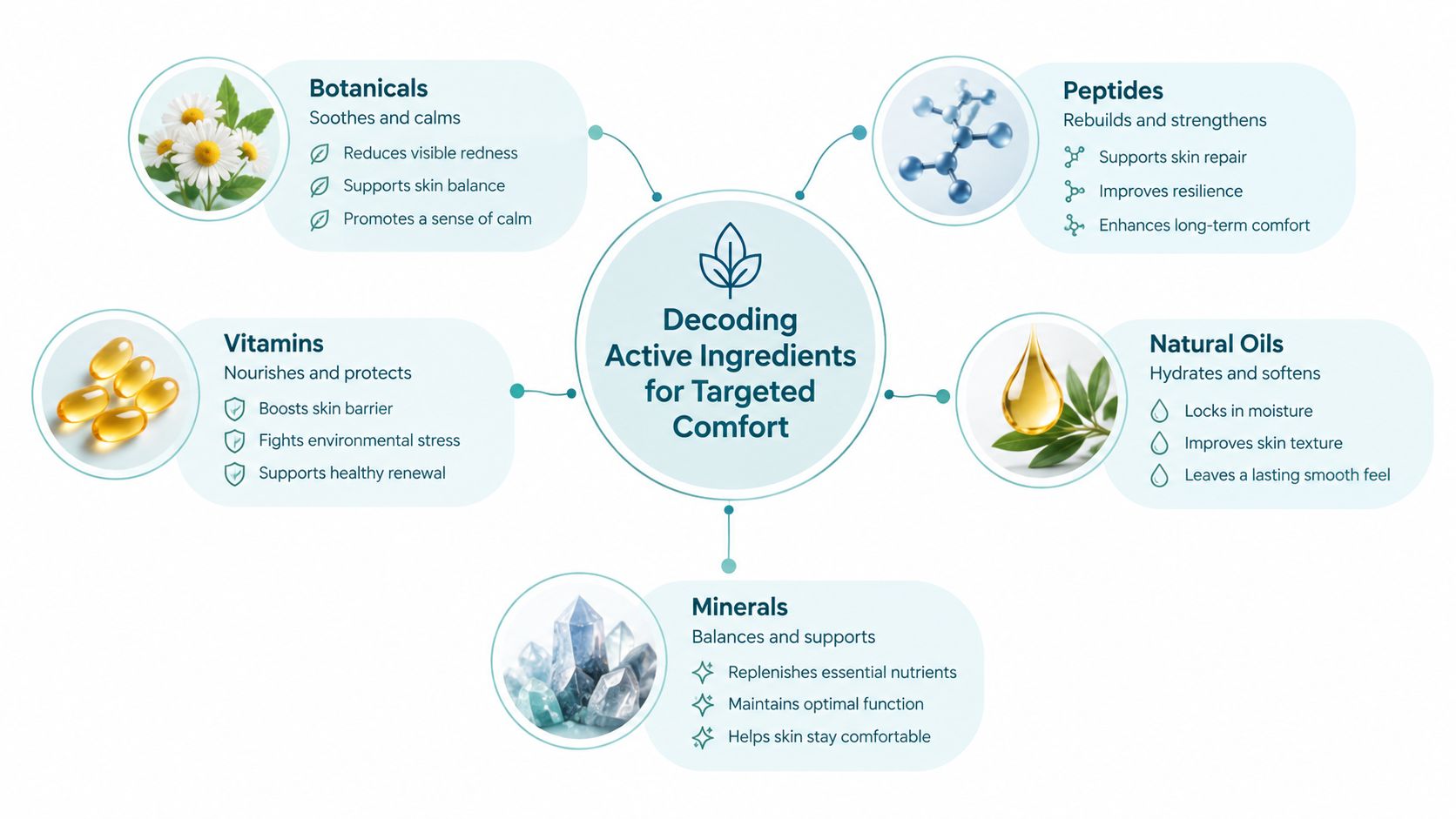
The most useful label-reading skill is matching each active ingredient to the symptom you want to control. Lidocaine targets sensation. Phenylephrine targets swollen tissue. Protectants create a barrier. Botanicals may make application feel more comfortable, but they should not substitute for clear information about the active drug, especially when tissue is irritated or fissured.
Lidocaine for localized burning and pain
Lidocaine is a topical anesthetic. It temporarily reduces the transmission of pain signals from the treated area, which can make burning, itching, and soreness feel less distracting. For a fuller explanation, see how lidocaine cream works. Evidence on localized pain supports topical anesthetics as targeted options when the goal is site-specific symptom control rather than whole-body pain relief. (Review of topical treatments for localized pain)
A randomized comparison found that an OTC transdermal product containing 3.6% lidocaine and 1.25% menthol was noninferior to a prescription 5% lidocaine patch for efficacy, side effects, and quality of life. The OTC product also performed better than placebo for efficacy and functional outcomes. Average lidocaine blood levels were around 0.2 µg/mL over 72 hours, below toxic thresholds in that study. (Randomized comparison of OTC and prescription lidocaine patches)
Those findings do not mean every lidocaine cream works the same way. Creams and patches use different delivery systems, and anorectal products have their own label restrictions. A product suitable for intact skin may not be appropriate for an irritated or fissured area.
Phenylephrine and protectants
DailyMed lists an OTC hemorrhoid product containing 5% lidocaine and 0.25% phenylephrine hydrochloride. Its labeled uses include temporary relief of pain, soreness, burning, itching, and discomfort. The label also states that phenylephrine temporarily shrinks hemorrhoidal tissue and helps protect inflamed anorectal tissue, which may make bowel movements less painful. (DailyMed hemorrhoid product labeling)
Glycerin and petrolatum are skin protectants. They do not numb nerve signals, but they can coat irritated tissue and reduce friction. Aloe and vitamin E may support a more comfortable feel, although a botanical ingredient does not guarantee the same result for every person.
For targeted options, Revivol-XR 5% Lidocaine Numbing Cream contains 5% lidocaine, aloe vera, and vitamin E. Its product information describes temporary relief of hemorrhoid discomfort, burning, and itching, along with external use and application of a thin layer according to label directions. It is not intended to cure or treat an underlying medical condition.
Comparing Top Formulations and Delivery Methods
The best format depends on where the discomfort is, how often you need to apply a product, and whether touching the area increases irritation. A cream may provide broad external coverage, while a spray can reduce contact during application. A suppository is designed for internal use and shouldn't be treated as interchangeable with an external cream.
| Format | Best for | Application style |
|---|---|---|
| External cream | Pain, itching, burning, soreness, and skin protection around the opening | Apply a thin layer to clean, dry external tissue as directed |
| Touch-free spray | People who find direct rubbing uncomfortable or need a portable option | Spray only as directed and avoid excessive coverage |
| Suppository | Symptoms labeled for internal hemorrhoidal use | Use only the included or labeled method |
| Witch hazel cleansing lotion | Gentle cleaning after bowel movements | Apply to toilet paper or use as directed for external cleansing |
| Warm sitz bath | General soreness, tightness, and postpartum comfort | Soak in warm water, avoiding extremes of heat |
Some shoppers need one symptom addressed. A single-purpose numbing product may make sense when burning is the main problem. Others have soreness, swelling, itching, and friction at the same time, so a formula combining an anesthetic, a vasoconstrictor, and protectants may fit better.
A larger container can be convenient for repeated use, but size shouldn't influence how much you apply. The dose and frequency on the label still control safe use. A hygienic applicator can also make application more precise, especially when direct contact feels uncomfortable.
For a closer look at texture, coverage, and daily use, compare cream and ointment options for hemorrhoids.
Revivol-XR Hygienic Cleansing Lotion is described as an external cleansing lotion containing aloe, coconut, chamomile, and witch hazel. Its product information says a dime-sized amount can be applied to toilet paper to create a moisturizing cleansing wipe, which may be useful when dry paper worsens friction.
The simple test is practical: does the format let you clean and apply the product without rubbing, spreading, or re-irritating the area? If not, a different delivery method may be more suitable.
Critical Safety Warnings for Irritated Skin
A stronger numbing sensation isn't always a better result. Skin condition and application method can change how much topical lidocaine enters the body, particularly when tissue is broken, inflamed, covered, or treated over a large area.
The FDA warns that OTC topical pain relievers containing more than 4% lidocaine shouldn't be used on irritated or broken skin, over large areas, or under plastic wrap. Increased absorption can cause serious effects, including irregular heartbeat, seizures, and breathing difficulties. (FDA warning about topical pain-relief products)
That warning matters for anyone with a fissure, chafing, postpartum tears, or fragile skin. It also matters if you're tempted to cover the area with plastic or a tight dressing to “make the cream work faster.”
Safer application habits
- Read the full Drug Facts label: Check whether the product is for external use, internal use, or both.
- Use a thin layer: More cream doesn't guarantee more useful relief and can increase exposure.
- Avoid occlusion: Don't cover treated tissue with plastic wrap unless a healthcare provider specifically directs you to do so.
- Don't apply broadly: Keep the product limited to the labeled area.
- Stop for worsening symptoms: Increasing redness, swelling, irritation, pain, or an allergic reaction warrants stopping the product and seeking advice.
- Take bleeding seriously: Bleeding shouldn't be managed indefinitely with OTC numbing products.
Don't insert an external cream into the rectum with a finger, mechanical device, or applicator unless the product is specifically labeled for that use. If symptoms are severe, persistent, or associated with bleeding, contact a healthcare provider rather than repeatedly changing creams.
Special Considerations for Pregnancy and Seniors
Pregnancy and postpartum recovery can make hemorrhoid discomfort especially difficult. You may already be dealing with soreness, limited mobility, disrupted sleep, and the practical challenge of caring for a newborn. The symptoms are common, but that doesn't mean you should use any product without checking its directions.
A review in PMC states that hemorrhoids and anal fissures occur in about 40% of pregnant women and women during the postpartum period. (Review of hemorrhoids and anal fissures in pregnancy and postpartum)
A gentle routine for pregnancy and postpartum care
- Start with warm water. Mayo Clinic recommends warm-water soaks and witch hazel medicated pads for the anal area. It also advises avoiding long periods of sitting and increasing dietary fiber. (Mayo Clinic pregnancy hemorrhoid guidance)
- Clean without scrubbing. Rinse with warm water, use mild soap when appropriate, and pat dry. Avoid repeated dry wiping when it causes stinging.
- Check before medicating. If you're pregnant or breastfeeding, ask a healthcare professional before using a lidocaine or phenylephrine product.
- Follow the label exactly. Don't exceed the recommended amount or frequency, even if discomfort returns quickly.
- Ask for help with tears or bleeding. Postpartum pain can come from more than hemorrhoids, and a healthcare provider can help distinguish concerns that need assessment.
Older adults may have thinner, drier, or more easily irritated skin. They may also take medicines for blood pressure, heart conditions, depression, or other long-term health needs. Those factors make label review and pharmacist guidance especially important before using a product containing a vasoconstrictor or anesthetic.
Choose gentle cleansing, avoid aggressive rubbing, and don't continue self-treatment if symptoms worsen or fail to improve. Persistent pain or bleeding deserves evaluation at any age.

Building Your Daily Comfort Routine
The best OTC pain cream works more effectively within a gentle routine than as a substitute for one. Friction, hard stools, prolonged sitting, and repeated wiping can keep disturbing the same sensitive area, so daily habits matter alongside temporary topical relief.
Morning and after bowel movements
Begin with comfortable cleansing. Warm water and patting are usually less irritating than scrubbing with dry paper. If you prefer a lotion-based option, use an external cleansing product as directed and stop if it causes burning or redness.
After cleaning and drying, apply only the amount directed on the label. Don't layer several lidocaine products together, and don't assume that adding menthol, camphor, or another numbing product will improve the result.
During the day
Break up long periods of sitting when possible. Keep bowel movements as easy as you can by paying attention to fluids, dietary fiber, and habits that prevent straining. Digestive health and anorectal comfort are closely connected, especially when constipation repeatedly aggravates the area.
A warm soak can fit before bed or after a difficult bowel movement. Revivol-XR Sitz Bath Soak Mix is described as a bath-water additive containing Epsom salt, Dead Sea salt, witch hazel, aloe vera, calendula, chamomile, and other oils. Its instructions emphasize external use, patch testing, avoiding ingestion, and consulting a physician first if you have sensitive skin or essential-oil allergies.
A soothing routine should leave the area calmer after use, not hotter, tighter, or more irritated.
When temporary relief isn't enough
Topical products provide comfort, but they don't identify why pain is recurring. Contact a healthcare provider for persistent or severe symptoms, bleeding, worsening pain, increasing swelling, or symptoms that don't improve as directed. That step is particularly important when pain is sharp and persistent, because fissures and other digestive-health concerns may need different care.
Start with a product labeled for the anorectal area, match the ingredient to the symptom, apply it sparingly, and protect the skin between applications. Discreet care is still real care, and you don't have to tolerate worsening discomfort in silence.
Revivol-XR offers targeted hemorrhoid comfort options that include lidocaine-based temporary relief, cleansing support with aloe and witch hazel, and sitz bath care. Review the product directions and visit Revivol-XR to choose the format that best fits your symptoms and daily routine.