Pregnancy and Hemorrhoids: Safe Relief Guide

Pregnancy and hemorrhoids affect about 40% of pregnant and postpartum women, so if you're dealing with soreness, itching, or bleeding, you're far from alone. Symptoms can start before birth, hit hard right after delivery, or carry through both periods, which is why pregnancy and postpartum care need to be treated as one connected path.
It isn't talked about until someone is in pain, usually sitting on the bathroom edge wondering why something so common still feels so isolating. A postpartum parent might assume the discomfort should have faded after birth, then realize the pressure, constipation, and wiping are still making every trip to the toilet harder. That's not failure, it's a common recovery pattern that deserves practical care, not shame.
Table of Contents
- Understanding Pregnancy and Hemorrhoids
- Why Hemorrhoids Develop During Pregnancy
- Prevention Strategies for Daily Comfort
- Safe Home Care and Symptom Relief Options
- Choosing OTC Products During Pregnancy and Postpartum
- When to Seek Professional Guidance
- Building a Realistic Recovery Plan
Understanding Pregnancy and Hemorrhoids
A new mother may first notice hemorrhoids during the first few days after delivery, when sitting feels awkward and bowel movements become stressful. Naming the problem can bring both embarrassment and relief. Pregnancy and hemorrhoids are common, connected, and very often temporary. Curious whether pregnancy itself can trigger them? Read our guide on whether you can get hemorrhoids while pregnant.
A 2022 review found hemorrhoids in 37.9% of women after a first pregnancy, 38.4% after two pregnancies, and 40.0% after three or more pregnancies. 61% of cases began in the third trimester, while 34% appeared on the first or second day after childbirth (source). Those figures place late pregnancy and the immediate postpartum period on one connected timeline.

Practical rule: Symptoms that begin in late pregnancy or soon after birth fit a recognized pattern. They do not mean you have done anything wrong.
The same review explains the body's response. As the uterus grows, it presses on rectal veins. Increased blood volume can add venous congestion, while progesterone may relax vein walls and slow blood return. Vaginal delivery can increase strain through pushing and pressure, leaving vascular cushions swollen, itchy, burning, or prone to bleeding.
This connected timeline also helps with treatment choices. During pregnancy, check topical ingredients with a clinician or pharmacist before use, especially when symptoms first appear. After birth, review the same products alongside breastfeeding considerations.
Why Hemorrhoids Develop During Pregnancy
Pregnancy turns the rectal area into a high-pressure zone, and swollen veins are the predictable result. The rectum sits where added body weight, extra fluid, and mechanical strain all converge, so even normal bowel movements can start to feel harder on the tissue.
What changes inside the body
As pregnancy progresses, the uterus grows and presses on pelvic structures. That pressure makes it harder for blood to drain from the lower rectal area, so veins can swell. Hormonal changes also relax vein walls, which makes them less able to keep their shape under strain.
Labor can add another layer of stress. Pushing increases downward force, and even a short period of straining can make already swollen tissue feel sharper, hotter, or more irritated. That helps explain why someone may feel fine one day and significantly worse the next.
Internal and external hemorrhoids
Internal hemorrhoids form inside the rectum, so they may bleed before they hurt much. External hemorrhoids sit under the skin around the anus, so they are more likely to feel tender, swollen, or itchy. Both types can worsen with constipation and repeated wiping, especially when the tissue is already inflamed.
The timing matters because symptoms often begin late in pregnancy and can flare soon after birth, even if pregnancy itself felt manageable. A 2024 study reported postpartum hemorrhoidal disease in 35.1% of participants and perianal pathology in 61.4% (source). The exact numbers vary by study method, but the pattern is consistent, late pregnancy and the postpartum period belong on the same care timeline.
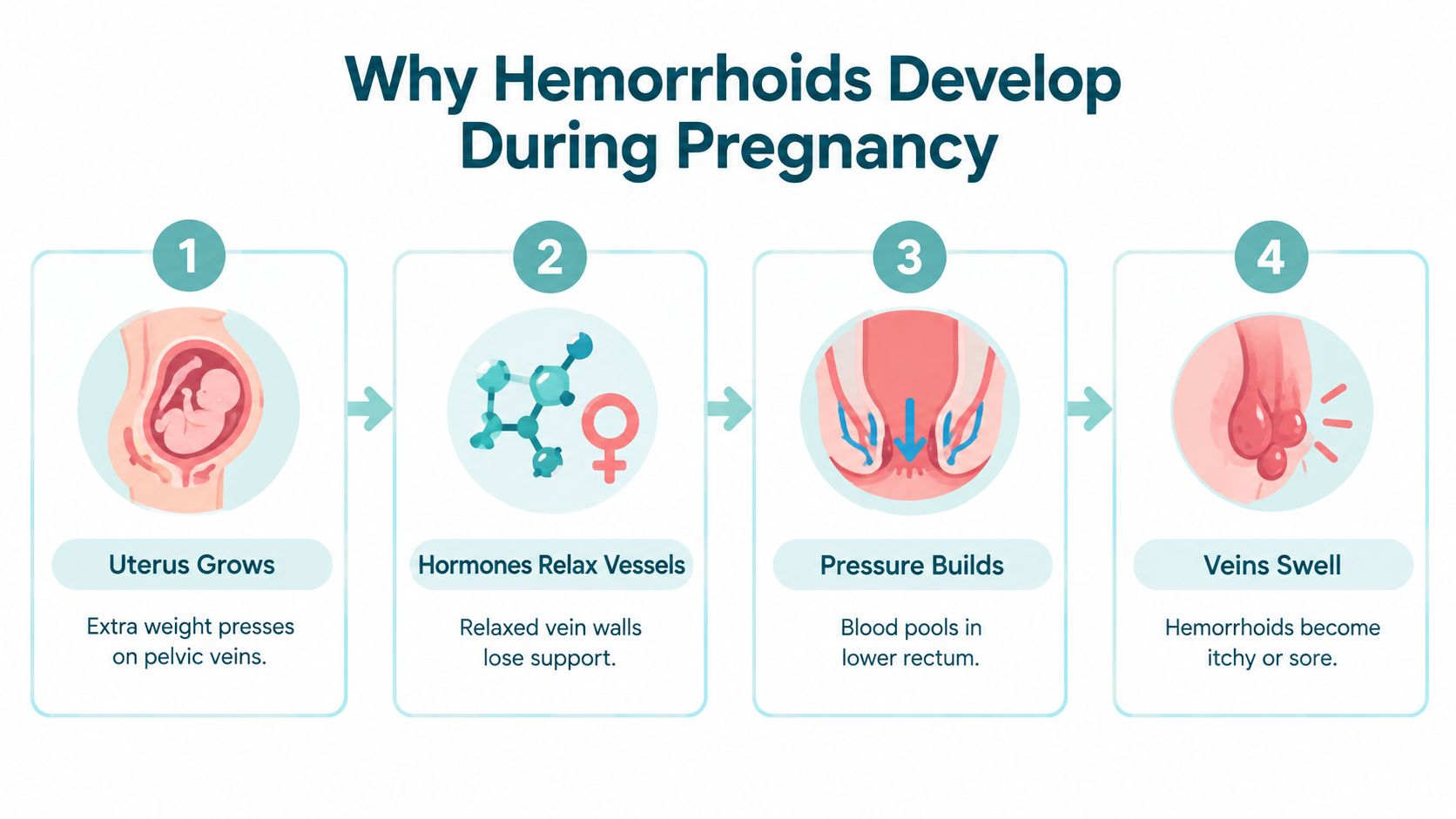
That shared timeline also affects treatment choices. During pregnancy, topical ingredients should be checked with a clinician or pharmacist before use, especially if symptoms appear for the first time. After birth, the same products should be reviewed again with breastfeeding in mind. A single product example is Revivol-XR® Advanced Hemorrhoid Cream, which contains 5% lidocaine, phenylephrine, glycerin, petrolatum, and soothing botanicals for external use only, and pregnancy or breastfeeding users are advised to ask a health professional before use.
Prevention Strategies for Daily Comfort
Keeping stool soft is the most practical way to prevent hemorrhoid flare-ups during pregnancy and after birth. Hard stool and straining press directly on swollen tissue, much like repeated bending can keep a sore joint irritated. If you prevent constipation, you lower the chance that each bathroom visit reopens the irritation. For a fuller walkthrough of daily habits, see how to prevent pregnancy hemorrhoids.
Make stool consistency the priority
The American College of Obstetricians and Gynecologists recommends at least 25 grams of fiber per day, along with enough water, exercise, and going when you feel the urge (source). Postpartum guidance also supports more water and fiber, with stool softeners or osmotic laxatives such as polyethylene glycol or lactulose when appropriate (source). The point is simple, regular meals and fluids make bowel movements easier before pressure builds.
Small habit, big payoff: Don't ignore the urge to go, and don't stay on the toilet scrolling until pressure builds.
Reduce the pressure that keeps symptoms alive
Long sitting can add pelvic pressure, so brief movement matters. Walking around the house, standing up often, and changing positions throughout the day help circulation and shorten the time swollen veins stay under load. That matters in late pregnancy, and it matters again after birth when feeding, holding, and recovering can keep you seated for long stretches.
A few practical steps make the routine easier:
- Build meals around fiber: oats, beans, fruit, vegetables, and other foods that help stool stay soft.
- Pair fiber with water: fiber without enough fluid can backfire and leave stool harder to pass.
- Use movement as support: short walks and position changes help circulation without strain.
- Treat constipation early: if you feel stool getting harder, address it before pain starts.
- Check topical ingredients by stage: during pregnancy, confirm any new product with a clinician or pharmacist, and review the same product again after birth if you are breastfeeding. Even calm, familiar ingredients can deserve a second look when the care plan shifts from pregnancy to postpartum.
Safe Home Care and Symptom Relief Options
Warm water, gentle cleansing, and short-term comfort measures can make a real difference when the area feels raw. These steps don't fix constipation by themselves, but they can calm the skin while you work on the bowel habit side of the problem. That combination is usually more effective than relying on one product alone.
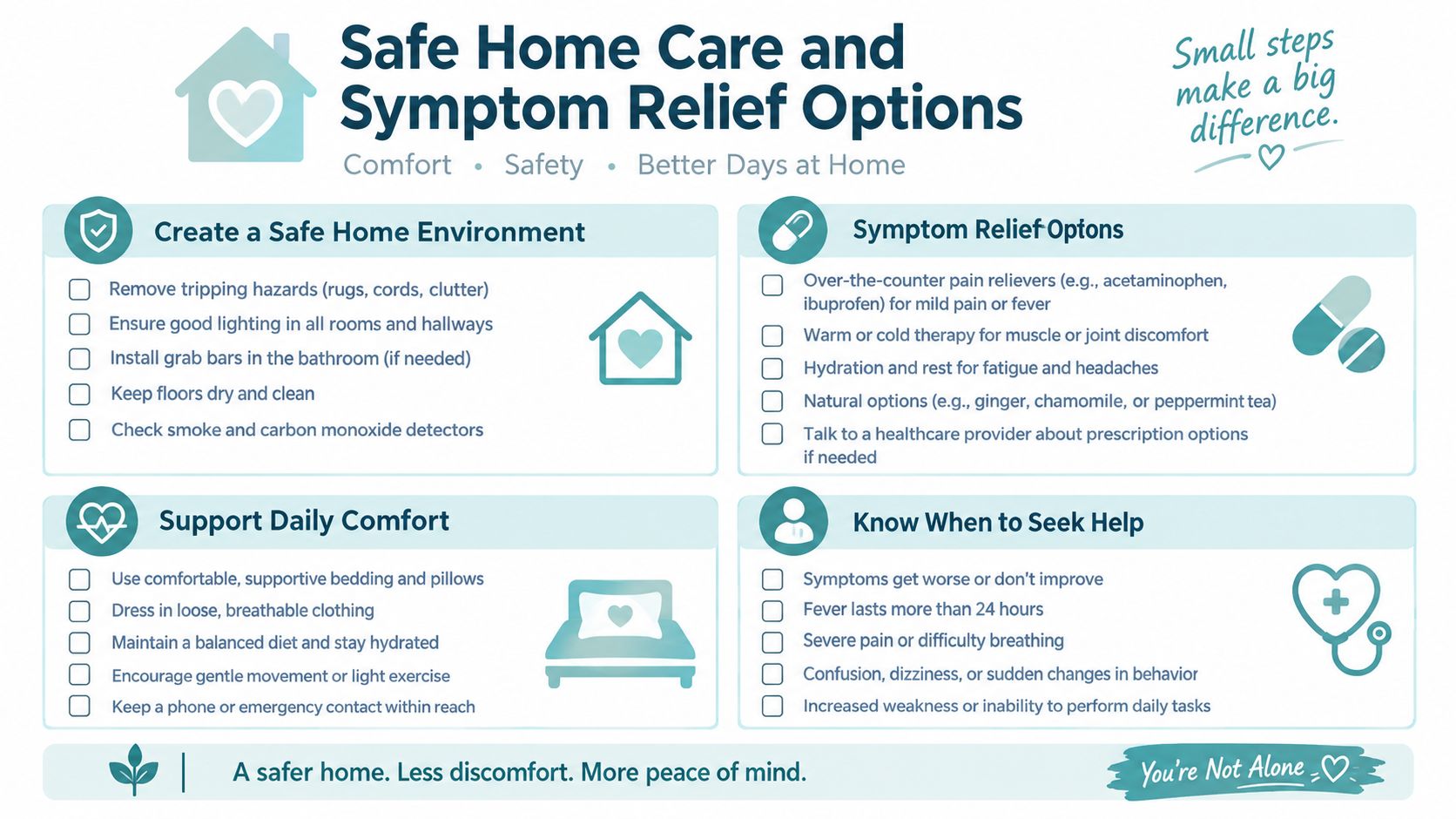
Warm sitz baths, careful wiping, and ice packs are all commonly used because they can soothe the area without adding more trauma. ACOG notes that witch hazel can help relieve pain and reduce swelling, and it also suggests ice packs, fiber, fluids, and movement as part of practical relief (source). If a reader is pregnant or breastfeeding, though, the product label still matters.
What to choose first
The safest starting point is usually non-drug care, then a topical product only if needed. The UK Specialist Pharmacy Service says simple soothing products are likely to pose less risk than products with corticosteroids or local anesthetics, and it notes that no hemorrhoid product is specifically licensed for pregnancy (source). That's why a stepwise approach is smarter than grabbing the strongest cream on the shelf.
Topical lidocaine can help numb pain and itching, but pregnancy use still needs caution. FDA labeling for lidocaine states that animal studies found no evidence of fetal harm at tested doses, while also noting that adequate, well-controlled studies in pregnant women are lacking and use should be limited to when clearly needed (source). In other words, it may be useful for temporary relief, but it's not a free pass to self-treat without thought.
Choosing OTC Products During Pregnancy and Postpartum
A cream, suppository, or pad may all promise relief, but they do different jobs. Some products calm irritated skin. Others contain active ingredients that numb pain, reduce swelling, or protect tissue. Pregnancy and breastfeeding change which of those choices belongs in the first group and which ones need a closer look.
| Ingredient Category | Typical Purpose | Pregnancy and Postpartum Considerations |
|---|---|---|
| Soothing or cleansing options | Comfort and gentle skin care | Often used first, especially for external irritation |
| Local anesthetics | Temporary numbness for pain or itching | Ask a clinician before use during pregnancy or breastfeeding, especially for repeated use |
| Vasoconstrictors | Temporary shrinking of swollen tissue | Read labels carefully and check with a healthcare professional if pregnant or breastfeeding |
| Corticosteroids or combination products | Short-term inflammation relief | Use cautiously and only with professional guidance |
| Suppositories or internal products | Internal symptom relief | More likely to need clinician approval in pregnancy or postpartum |
The safest choice depends on the stage of recovery and the symptom in front of you. External itching is one question. Internal pressure, swelling, or bleeding is another. A postpartum parent who is breastfeeding may have different concerns than someone who is still pregnant, so the label needs to match the situation, not just the symptom.
For a fuller walkthrough of safe options, see our guide to OTC hemorrhoid treatment during pregnancy.
Use the label as a filter: If a product says to ask a health professional before use during pregnancy or breastfeeding, take that seriously.
A practical rule helps here: start with the gentlest option that fits the problem, then move up only if needed. Soothing products are usually the simplest place to begin. Ingredients that numb or shrink tissue deserve more caution, especially in pregnancy and during breastfeeding, because the label often gives the clearest safety signal. As noted earlier, that is why a product such as Revivol-XR® Advanced Hemorrhoid Cream belongs in the “check first” category rather than the automatic choice category.
When to Seek Professional Guidance
Heavy bleeding, severe or worsening pain, fever, dizziness, or symptoms that do not improve with proper care need a clinician's attention. Persistent bleeding deserves prompt review because home treatment cannot address every cause.
A hemorrhoid that becomes sharply painful, swollen, and suddenly worse may be thrombosed, which can call for medical assessment. New parents are often running on too little sleep and may want to wait, but waiting only stretches out the discomfort. Getting checked is part of protecting your recovery.
Seek help sooner, not later: If the bleeding continues or the pain escalates, call an OB-GYN or another healthcare provider.
The seven-day label rule helps set a boundary for self-care. If symptoms are still there after a week of sensible home treatment, or if bleeding starts, stop and ask a doctor before continuing OTC use. That keeps the focus on relief that matches the stage of recovery, rather than on pushing through symptoms that need a different approach.
Building a Realistic Recovery Plan
A practical recovery plan starts with the same three moves every day, soft stool, low strain, and short-term comfort. A postpartum parent might wake up, drink water, eat a fiber-rich breakfast, and take a short walk before the day gets busy. Later, after a bowel movement, gentle cleansing and a warm sitz bath can calm the area without adding more friction.
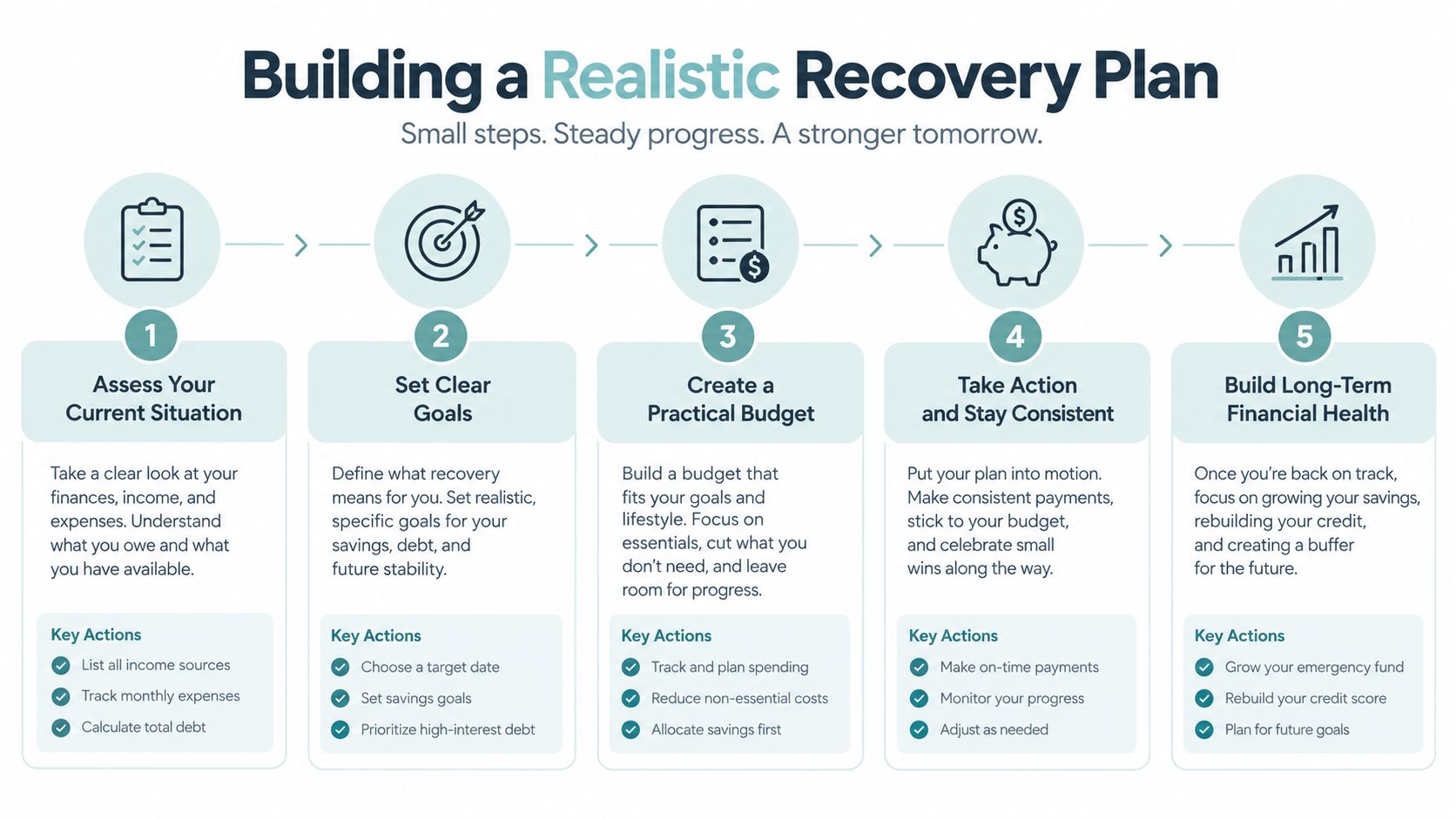
Recovery is usually gradual, not instant. As pelvic pressure eases after delivery and bowel habits improve, symptoms often settle down with steady care and the right amount of patience. The point is to keep the tissue from being re-irritated while the body heals.
If you want a discreet OTC option to keep on hand for temporary relief, Revivol-XR offers hemorrhoid care products built around symptom comfort, including numbing, soothing, and cleansing options. Visit the site to see what fits your stage of recovery, then bring any pregnancy or breastfeeding questions to your healthcare provider before starting a new product.