Hemorrhoid Suppositories and Pregnancy: A Safe Guide

About 40% of pregnant and postpartum women are affected by hemorrhoids or related anal fissures, so hemorrhoid suppositories and pregnancy are a common concern, not an unusual one. A suppository may be an option, but review its active ingredients with your OB/GYN before using it.
You may be standing in a pharmacy aisle, one hand on your belly and the other holding a box that promises relief from itching, pressure, or burning. Maybe you noticed a tender lump after a long day, or you're newly postpartum and every bowel movement feels difficult. The question is simple but important: Can I use this product safely right now?
The safest answer isn't based on the brand name or the word “natural.” It depends on the active ingredient, the location of your symptoms, your trimester, and your personal health history. Suppositories can be useful, but they're one tool inside a broader plan that also includes softer stools, less straining, warm water, and careful clinical guidance.
The practical rule: Don't choose a pregnancy hemorrhoid product by the front of the package. Turn it over and review the active ingredients.
Table of Contents
- Why Suppositories Come Up During Pregnancy
- How Common Hemorrhoids Are by Trimester
- What a Hemorrhoid Suppository Actually Does
- Active Ingredients to Review Before Using One
- Safe Use and Technique in Pregnancy
- Creams Sprays Sitz Baths and Stool Softeners
- Talking Through Options With Your OB GYN
- A Calm Plan for the Weeks Ahead
Why Suppositories Come Up During Pregnancy
Maya was 28 weeks pregnant when she noticed a sore, tender lump after a long day of nursing school clinicals. She'd been standing, sitting, walking, and trying to drink enough water between patients. That evening, she searched for “hemorrhoid suppositories and pregnancy” and wondered whether she could pick one from the pharmacy shelf.
That uncertainty is understandable. A hemorrhoid suppository is designed for internal use, so it may seem like the most direct choice when itching, pressure, or discomfort feels deeper inside the rectal canal. Unlike a cream applied only to the outside, a suppository can dissolve internally and deliver its ingredients near the affected tissue.
But direct delivery doesn't automatically make every suppository appropriate during pregnancy. A product may contain a local anesthetic, astringent, steroid, vasoconstrictor, or several ingredients combined. Each one deserves a quick review with your OB/GYN, especially if you're using it for the first time.
Pregnancy care usually works best as a layered toolkit:
- Fiber, fluids, and an approved stool softener help reduce hard stools and straining.
- Creams or ointments can soothe external irritation.
- Sitz baths provide warm, gentle comfort after bowel movements.
- Witch hazel pads or cooling products may help with short-term external symptoms.
- Suppositories may be considered when symptoms seem internal and a clinician agrees with the ingredients.
The purpose is usually symptom relief, not an instant cure. If pain is severe, bleeding continues, or the problem doesn't improve, contact your healthcare provider rather than repeatedly adding OTC products.
How Common Hemorrhoids Are by Trimester
Pregnancy creates several conditions that can encourage hemorrhoids. Hormonal changes can slow digestion and contribute to constipation. The growing uterus adds pressure in the pelvis, while straining during bowel movements can increase pressure around the rectal veins.
A prospective study of 280 women found that 123, or 43.9%, developed perianal disease during pregnancy or after delivery. In that study, 61% of cases appeared in the third trimester, 34.1% after delivery, and 3.3% one month postpartum. Hemorrhoids alone accounted for 40.7% of all participants. The study also identified constipation, previous hemorrhoids or fissures, a newborn birthweight above 3800 g, and straining during delivery for more than 20 minutes as independent risk factors. (Prospective study of perianal disease in pregnancy and after childbirth)
A separate prospective cohort of 109 women found symptoms or findings in 11% during the first trimester, 23% during the third trimester, 36.2% one month after delivery, and 16.9% three months after delivery. (Pregnancy and postpartum hemorrhoidal disease cohort)
| Stage | Main risk drivers | Typical symptom onset |
|---|---|---|
| First trimester | Hormonal changes, early constipation, prenatal supplements | Symptoms may begin gradually |
| Second trimester | Increasing pelvic pressure, slower bowel movements | First noticeable flare-ups may appear |
| Third trimester | Greater pelvic pressure, constipation, straining | Symptoms often become more noticeable |
| Postpartum | Delivery-related pressure, bowel changes, healing tissue | Flares may occur after birth |
The pattern explains why the topic matters even if you're not near delivery. Hemorrhoids can show up early, become more troublesome late in pregnancy, or peak during postpartum recovery. The guide to how common hemorrhoids are during pregnancy can help you place your symptoms in context, but it can't determine what's causing your specific pain or bleeding.
What a Hemorrhoid Suppository Actually Does
A rectal suppository is a small, solid dose of medication. After gentle insertion, body warmth softens or melts its base and releases the active ingredients inside the rectum.
A provider may consider one when the discomfort seems internal, when a cream doesn't reach the irritated area, or when an external product keeps wiping away before it can provide comfort. That doesn't mean a suppository is always better. Creams may be more practical for external swelling, skin irritation, or daytime use.
What insertion feels like
The process should feel controlled, not forced. You'll usually unwrap the suppository, lie on your side with your knees gently bent, and insert the pointed end just past the anal sphincter. A small amount of suitable lubrication may make insertion more comfortable, but follow the product label and your clinician's advice.
Afterward, remain still for several minutes so the base can begin dissolving. A mild sensation of pressure or brief stinging can occur, but sharp pain, worsening burning, or fresh bleeding deserves medical advice.
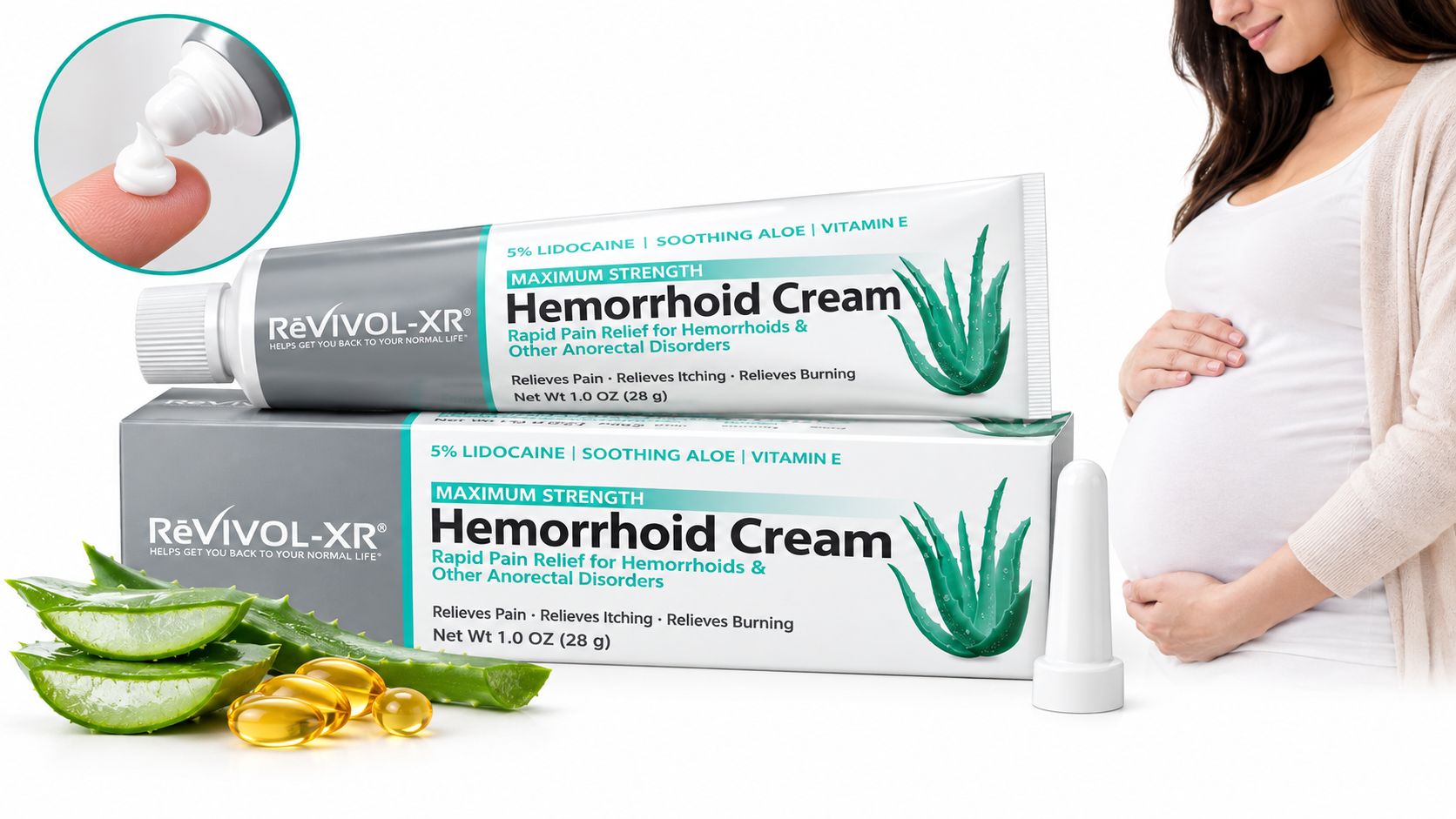
If your symptoms are mostly external, Revivol-XR® Advanced Hemorrhoid Cream - 5% Lidocaine + Phenylephrine (Vasoconstrictor) - Fast Relief of Burning, Itching, Discomfort is an OTC cream formulated for temporary relief of pain, itching, burning, soreness, and discomfort. It contains lidocaine, phenylephrine HCl, glycerin, petrolatum, and botanical ingredients. Its product information says to ask a health professional before use during pregnancy or breastfeeding, use it only as directed, and stop and ask a doctor if bleeding occurs or symptoms worsen or don't improve within 7 days.
Active Ingredients to Review Before Using One
The label matters more than the delivery form. A suppository and a cream aren't automatically safer or riskier because one is inserted and one is applied externally. The central question is what the product contains and how your clinician weighs the potential benefit against uncertainty.
Common ingredients include:
- Zinc oxide: A skin protectant that can coat irritated tissue. It's generally discussed as a barrier ingredient, but you should still confirm whether the product is intended for internal use.
- Witch hazel: A mild astringent used for temporary soothing. It may help calm surface irritation, but it won't address every cause of rectal pain or bleeding.
- Pramoxine and lidocaine: Local anesthetics that reduce the sensation of itching or pain. They provide symptom relief rather than treating the underlying hemorrhoid.
- Hydrocortisone: A low-potency steroid that can reduce inflammation. Steroid-containing suppositories deserve a more careful OB/GYN conversation, particularly with repeated or prolonged use.
- Phenylephrine: A vasoconstrictor intended to temporarily reduce swollen hemorrhoidal tissue. Because it affects blood vessel tone, your clinician should review it in the context of your health history and pregnancy.
Expert guidance describes pregnancy hemorrhoid care as stepwise, beginning with fiber, stool softeners, fluids, and avoiding straining. Topical preparations may be added for short-term symptom control, but commonly used topical agents haven't been formally studied for reproductive safety. Limited systemic exposure makes fetal harm from third-trimester topical use biologically unlikely, yet the evidence remains limited and treatment is generally for relief rather than cure. (Review of hemorrhoid treatment during pregnancy)
| Ingredient | What it does | Pregnancy caution level |
|---|---|---|
| Zinc oxide | Coats and protects irritated tissue | Usually a label and clinician review issue |
| Witch hazel | Provides mild astringent soothing | Confirm the formulation and intended use |
| Pramoxine | Numbs itching and discomfort | Review dose and combination ingredients |
| Lidocaine | Provides local numbing | Use only after professional guidance |
| Hydrocortisone | Reduces local inflammation | More cautious review, especially with repeated use |
| Phenylephrine | Temporarily constricts swollen tissue | Review with your OB/GYN before use |
Combination products can stack several active ingredients. Read the full Drug Facts panel, not just the ingredient that sounds familiar. If hydrocortisone is part of your product, review the possible side effects of hydrocortisone suppositories before making a decision.
Safe Use and Technique in Pregnancy
Once your OB/GYN approves a specific product, use it carefully and follow the package directions. A calm routine can reduce irritation and make insertion easier.
- Wash your hands. Clean the perineal area with warm water, then pat dry instead of rubbing.
- Choose a convenient time. After a bowel movement or warm sitz bath, the area may be cleaner and more relaxed. Bedtime can also be practical if your label allows that schedule.
- Get into position. Lie on your side with your upper knee bent toward your chest. This position may help you relax the pelvic muscles.
- Insert gently. Place the tip just past the anal sphincter. Don't force it, and don't insert farther than the instructions recommend.
- Rest afterward. Stay lying down for several minutes while the base begins to dissolve.
- Wash your hands again. This prevents medication from spreading to your eyes, mouth, or other skin.
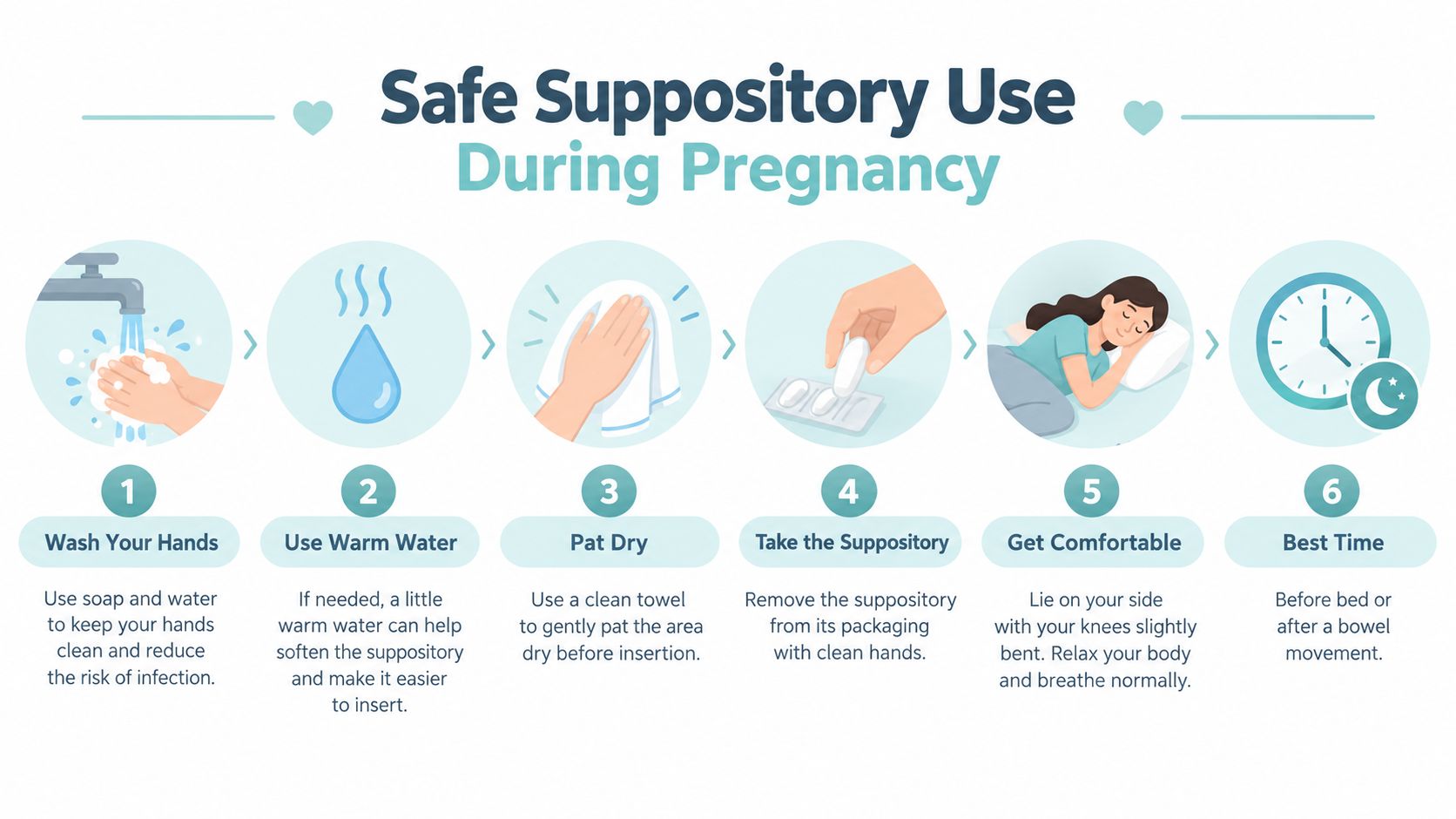
Don't increase the frequency because symptoms feel frustrating. If the suppository slips out within minutes, don't automatically insert another one. Check the label or call a pharmacist or your OB/GYN for specific advice, because some of the medication may already have dissolved.
A little brief stinging may happen, but worsening burning, swelling, rash, significant pain, or bleeding isn't something to push through. The instructions for using a hemorrhoid suppository can support general technique, but your pregnancy care team should approve the actual product and schedule.
Here's a visual demonstration of the type of preparation and positioning involved:
Creams Sprays Sitz Baths and Stool Softeners
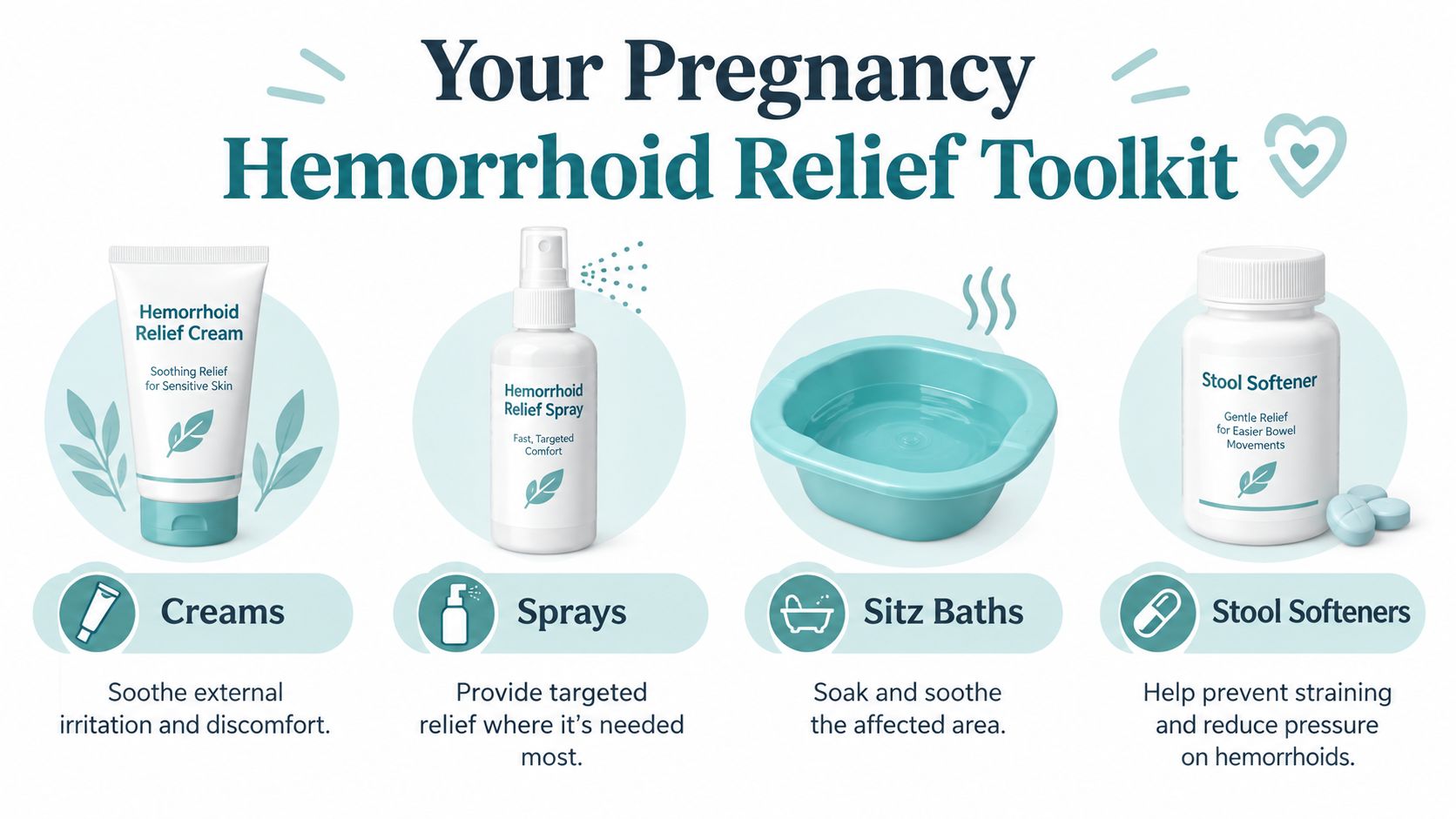
Suppositories shouldn't carry the whole plan. If symptoms are external, a cream or ointment may be easier to apply without insertion. A spray can be useful when touching the area is uncomfortable, while a barrier product may protect irritated skin between bowel movements.
A warm sitz bath is another simple option. Sit in shallow, comfortably warm water for 10 to 15 minutes, two to three times daily, with or without Epsom salt. Avoid water that feels hot, and stop if soaking increases irritation. A plain warm-water soak is enough for many people, so extra ingredients aren't required.
Witch hazel pads and cooling sprays may provide short-term comfort, especially after cleaning the area. Use them gently, and discontinue anything that causes dryness, burning, or a rash.
The often-overlooked foundation is bowel regularity. Fiber, adequate fluid intake, and an approved stool softener can reduce hard stools and straining. Psyllium husk and docusate sodium may be discussed with your prenatal care team, but don't start or combine products without checking what fits your pregnancy and current medications.
One external option is Revivol-XR® Sitz Bath Soak Mix – Super Concentrated 20-in-1 Blend with Epsom Salt & Essential Oils – 15 Soaks – USP Grade. Its product information lists Epsom salt, Dead Sea salt, witch hazel, aloe vera, calendula, chamomile, and other oils and botanicals. It's for external use as a bath-water additive, and the product guidance advises patch testing, using a small amount first, and asking a physician if you have sensitive skin or essential-oil allergies.
Talking Through Options With Your OB GYN
Your OB/GYN visit doesn't need to be a rushed yes-or-no question. Bring the product box or a clear photo of the Drug Facts label so your clinician can review every active ingredient and the intended route of use.
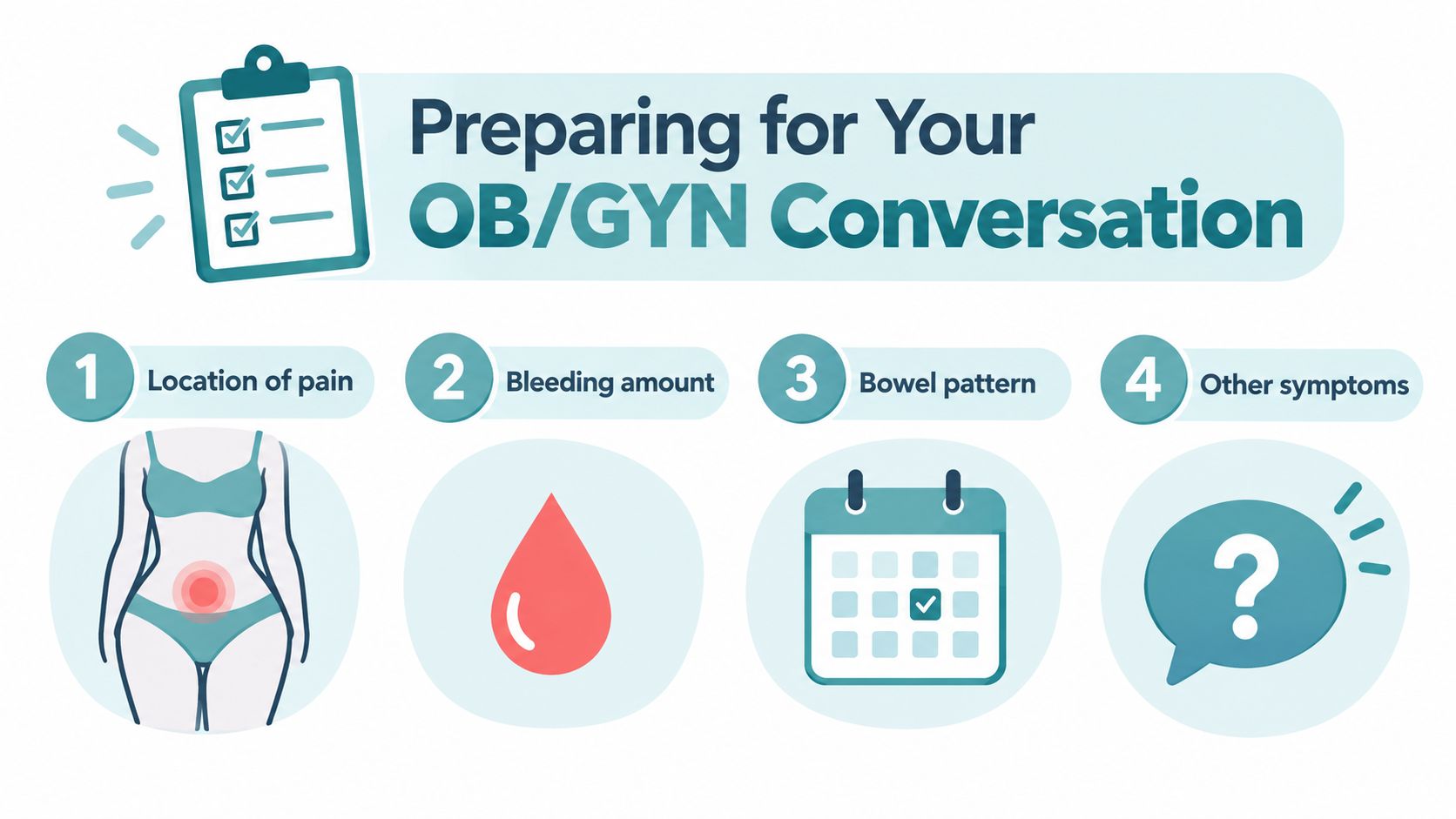
Write down a short symptom record before the appointment:
- Location: Note whether the pain, lump, itching, or pressure feels external, internal, or both.
- Bleeding: Record whether you've seen blood and how much. Any bleeding during pregnancy or postpartum recovery should be discussed with a healthcare provider.
- Bowel pattern: Mention constipation, hard stools, diarrhea, straining, or changes after starting iron or prenatal supplements.
- Products tried: Include creams, wipes, witch hazel, sprays, stool softeners, and suppositories.
Useful questions include:
- Is each active ingredient compatible with my current trimester?
- How often should I use this product, and for how long?
- Would a cream, barrier ointment, or sitz bath be a better first step?
- Should I use an approved fiber product or stool softener?
- Which symptoms should prompt a call before my next appointment?
- If symptoms continue, should I have a postpartum follow-up or referral?
UK and NHS guidance notes that there are no licensed hemorrhoid preparations specifically licensed for pregnancy, but short courses of topical treatments are commonly used and aren't considered grounds for extra fetal monitoring. ACG guidance is more cautious about combination products containing topical anesthetics with esculin and about hydrocortisone 25 mg suppositories, recommending avoidance or use only when the benefit outweighs the risk. (ACG guidance on constipation, hemorrhoids, and anorectal disorders)
A productive appointment should leave you with a written plan. That plan may include one approved product, a bowel routine, a time limit, and clear instructions for when to call.
A Calm Plan for the Weeks Ahead
Hemorrhoids can be common during pregnancy and after childbirth, but common doesn't mean you have to tolerate severe symptoms. A realistic plan uses several small measures rather than treating one suppository as the hero.
Start by showing the active ingredients to your OB/GYN. If your clinician approves the product, use it exactly as directed and don't add another hemorrhoid medication without checking for overlapping ingredients.
Support the area between doses with practical care:
- Keep stools soft with fluids, fiber, and an approved stool softener.
- Avoid pushing or lingering on the toilet.
- Use a warm sitz bath after a bowel movement if it feels soothing.
- Choose a barrier cream or witch hazel pad for external comfort when appropriate.
- Clean gently with warm water and pat dry.
- Contact your healthcare provider for persistent, severe, or bleeding symptoms.
A simple weekly check-in can keep the situation from becoming vague. Ask yourself whether symptoms are better, unchanged, or worse. Improvement may mean fewer painful bowel movements or fewer flare days, not an immediate disappearance of every symptom.
A postpartum and pregnancy management review reports that tribenoside plus lidocaine can be administered in postpartum women and in pregnant women after the first trimester, but it also states that randomized studies haven't been conducted in that specific population. (Pregnancy and postpartum management review) That combination of limited evidence and practical clinical use is exactly why ingredient-by-ingredient review matters.
You don't need to solve this alone or choose the strongest-looking box. A thoughtful plan, approved by your prenatal care team, can make hemorrhoid discomfort more manageable while your body continues through pregnancy and recovery.
Revivol-XR offers external comfort options, including a lidocaine-based hemorrhoid cream and an external sitz bath soak, for temporary soothing relief when used as directed. Visit Revivol-XR to review the product details, then discuss whether an option fits your pregnancy or postpartum care plan with your healthcare provider.