Can Hemorrhoids Bleed During Pregnancy? What to Expect

Yes, hemorrhoids can bleed during pregnancy, and rectal bleeding affects about 40% of pregnant women, most often because of benign hemorrhoids or anal fissures. Hemorrhoids affect about 25% to 35% of pregnant women, with reported rates reaching 75% to 85% in the third trimester.
Seeing bright-red blood after using the bathroom can be frightening, especially late at night when every symptom feels urgent. The reassuring part is that pregnancy hemorrhoids are common and often manageable, but bleeding still deserves attention because you need to confirm where it's coming from and watch for changes.
5 SEO Title Ideas
- Can Hemorrhoids Bleed During Pregnancy? What to Expect
- Pregnancy Hemorrhoids and Bleeding: Causes, Symptoms, and Relief
- Bright Red Blood During Pregnancy: Could It Be Hemorrhoids?
- Internal vs. External Hemorrhoids During Pregnancy
- How to Manage Bleeding Hemorrhoids During Pregnancy Safely
Table of Contents
- Understanding the Link Between Bleeding and Pregnancy
- Why Hemorrhoids Become Problems During Gestation
- How to Tell Internal Issues From External Swelling
- Safe Conservative Measures for Daily Relief
- Choosing the Right Over-the-Counter Relief Options
- Recognizing When Bleeding Requires Immediate Care
Understanding the Link Between Bleeding and Pregnancy
You wake up, use the bathroom, and notice a bright-red mark on the toilet paper. For many pregnant women, that moment brings an immediate fear that something may be wrong with the baby. Yes, hemorrhoids can bleed during pregnancy, and the blood often comes from the rectal area rather than the uterus.
A clinical review found rectal bleeding in about 40% of pregnant women, with most cases linked to benign perianal conditions such as hemorrhoids or anal fissures. Hemorrhoids may cause painless bright-red blood during or after a bowel movement, especially when stool is hard or you've strained. The clinical review on rectal bleeding in pregnancy explains why this symptom can look alarming while still having a local anorectal cause.
The key is not to dismiss bleeding, but also not to panic. Blood on toilet paper, on the outside of stool, or in the toilet after a bowel movement often points toward the anus or rectum. Blood from the vagina can be harder to identify, so any uncertainty should be discussed with your obstetric provider.
Practical rule: If you can't confidently tell whether the blood came from the rectum or vagina, contact your healthcare provider rather than trying to work it out alone.
Pregnancy hemorrhoids become more frequent later in pregnancy because the growing uterus increases pressure in the pelvis, veins become more congested, and constipation can make bowel movements harder. You can review the common patterns in this guide to symptoms of anal bleeding, but online information can't confirm the source of bleeding in your individual case.
Why Hemorrhoids Become Problems During Gestation
Bleeding risk is not evenly spread across pregnancy. Reported anorectal bleeding rises from 10.6% in the first trimester to 12.9% in the second and 30.6% in the third. These figures make timing useful when you assess a new symptom, although they cannot identify the bleeding source by themselves.
Hemorrhoids are common in pregnancy. For reported prevalence figures and common patterns, see this guide to whether hemorrhoids are common during pregnancy. A small amount of painless, bright-red blood after a bowel movement can fit an internal hemorrhoid pattern. Pain, tenderness, or a noticeable lump points more toward irritated external tissue, which requires a different comfort approach.
Several pregnancy changes make these problems more likely. The enlarging uterus can affect pelvic venous return, while increased blood volume and progesterone can leave rectal veins more stretched and congested. Hard stool and straining add pressure to tissue that is already vulnerable, increasing the chance of irritation or bleeding.
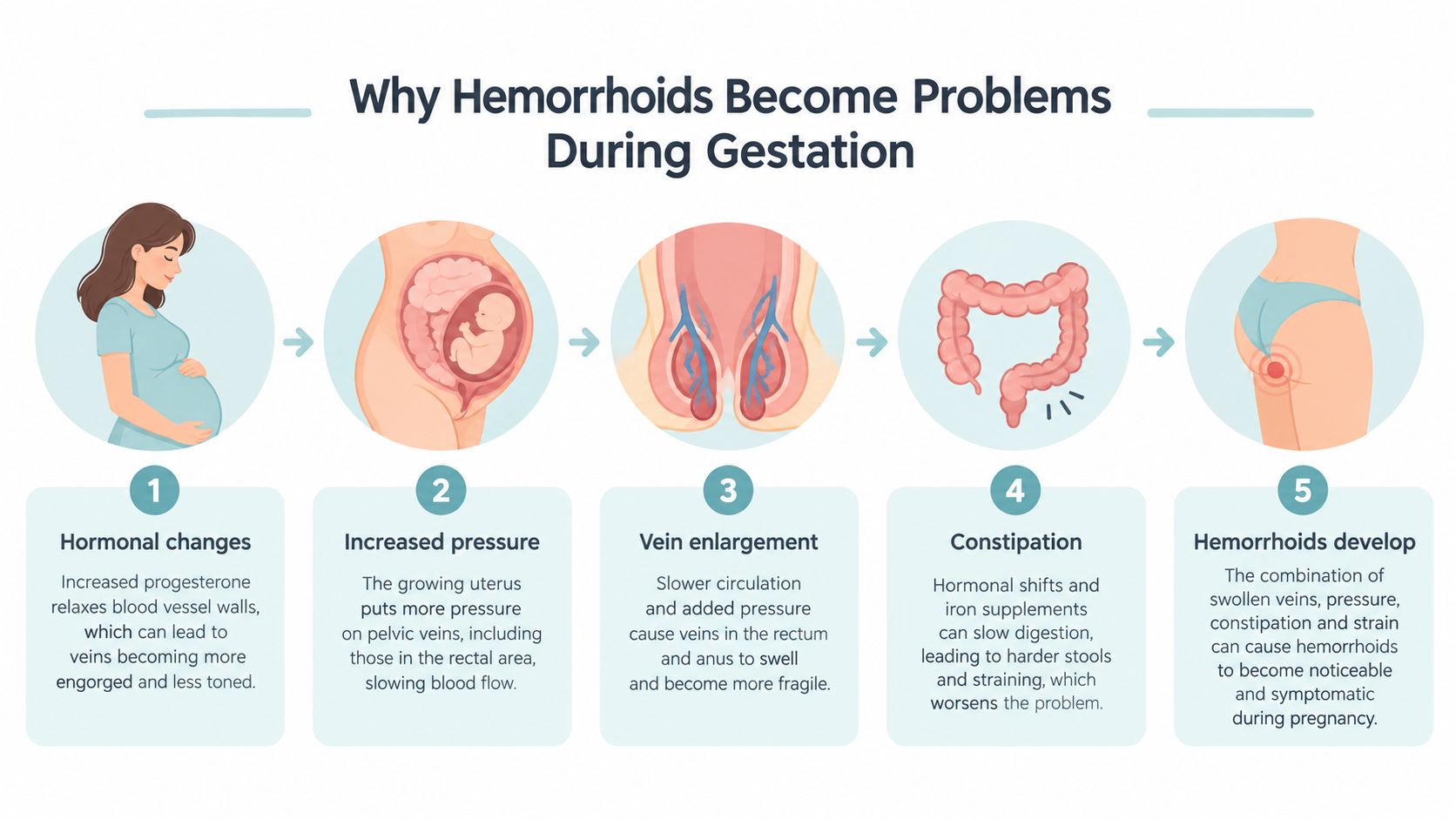
This is a physical pregnancy change, not a hygiene problem or a personal failure. The Cleveland Clinic explanation of pregnancy hemorrhoids describes the roles of uterine pressure, circulation changes, constipation, and straining.
A review of pregnancy-related anorectal disease found that symptoms often peak later in pregnancy. Another review reported hemorrhoids and anal fissures in about 40% of pregnant and postpartum women. It also reported 61% of hemorrhoid cases occurring in the third trimester and 34% appearing on the first or second day after delivery. The findings are discussed in the medical literature on hemorrhoids in pregnancy.
A warm soak can calm irritated external tissue. If you are considering an additive, Revivol-XR® Sitz Bath Soak Mix contains Epsom salt and other listed ingredients, including Dead Sea salt, witch hazel, aloe vera, chamomile oil, coconut oil, baking soda, and calendula oil. It is intended for external use as a bath-water additive. Follow the product guidance to patch test first, and ask a healthcare professional before use if you have sensitive skin or essential-oil allergies.
The visual below summarizes how pregnancy-related pressure and circulation changes can affect rectal veins.
How to Tell Internal Issues From External Swelling
The most useful distinction is pain versus bleeding.
Internal hemorrhoids develop inside the anal canal, where they may cause little or no pain. They can still bleed, often producing bright-red blood on toilet paper, on the stool's surface, or in the bowl after a bowel movement. External hemorrhoids form under the skin around the anus, where swelling and tenderness are easier to feel.
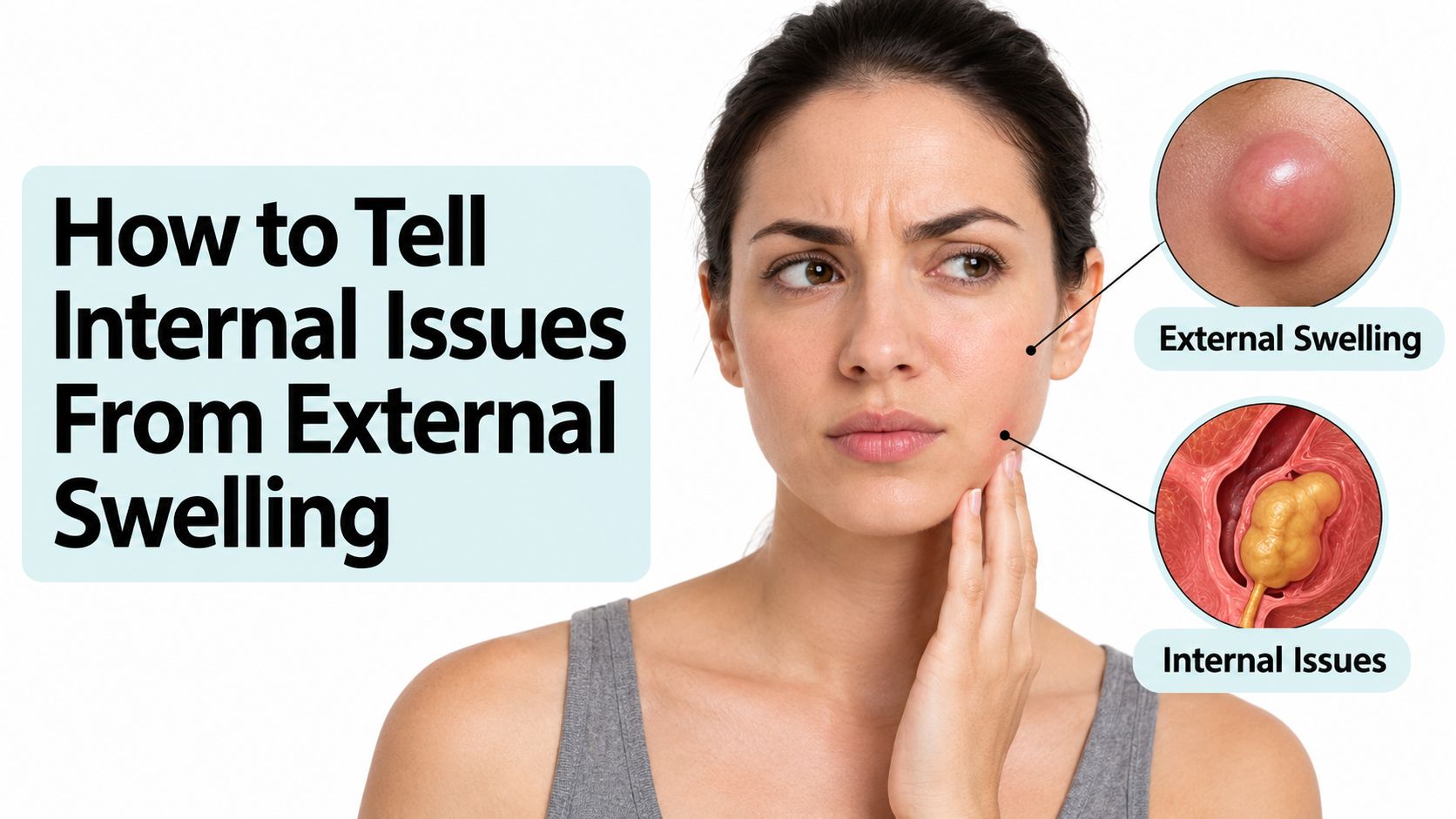
Use this symptom pattern as a conversation tool, not as a diagnosis:
- Painless bright-red bleeding: This can fit an internal hemorrhoid pattern, particularly when it follows a bowel movement.
- Sharp burning or stinging: This may fit an anal fissure, especially after passing hard stool.
- Tender lump outside the anus: This is more consistent with external swelling, though a healthcare provider must assess it.
- Bleeding that persists or changes: Don't assume it's still a hemorrhoid. Contact your provider for guidance.
For temporary external discomfort, Revivol-XR® Advanced Hemorrhoid Cream contains 5% lidocaine for temporary pain, itching, burning, soreness, and discomfort relief, plus phenylephrine HCl 0.25% to help temporarily shrink swollen hemorrhoidal tissue. It also contains glycerin and petrolatum as skin protectants. Because you're pregnant, ask a healthcare professional before use and follow the Drug Facts label. The product guidance says to stop use and ask a doctor if bleeding occurs, symptoms worsen, or symptoms don't improve within 7 days.
Safe Conservative Measures for Daily Relief
Mild symptoms often improve when you reduce stool hardness and avoid repeated pressure. The aim isn't to force the hemorrhoid to disappear immediately. It's to make bowel movements gentler while the irritated tissue settles.
Start with the basics:
- Build fiber into meals: Choose fruits, vegetables, beans, and whole-grain foods according to what your pregnancy care team recommends. Increase gradually if your digestion is sensitive.
- Drink regularly: Hydration supports softer stool. If you've been told to restrict fluids or you have a medical condition affecting hydration, follow your provider's advice.
- Respond to the urge: Delaying a bowel movement can allow stool to become harder. Give yourself time, but don't sit and strain.
- Change position: Avoid prolonged sitting, particularly on the toilet. A brief walk approved by your pregnancy provider can also support comfortable digestion.
- Use gentle warmth: A warm sitz bath can soothe the area. The water should be comfortably warm, not hot, and you should stop if it causes irritation or lightheadedness.
- Clean without scrubbing: Rinse or pat gently. Vigorous wiping can aggravate both hemorrhoids and fissures.
Fiber, hydration, avoiding prolonged sitting, and asking a healthcare provider about pregnancy-safe treatment are also recommended in guidance on hemorrhoids during pregnancy. Stool softeners or other bowel products should be discussed with your provider, particularly if constipation is persistent.
Choosing the Right Over-the-Counter Relief Options
Different products address different symptoms. A witch hazel pad or gentle skin protectant may be enough for mild itching or surface irritation. Petroleum jelly can reduce friction by creating a barrier, but it won't address constipation or confirm the cause of bleeding.
Topical anesthetics, such as lidocaine, are aimed at temporary discomfort. Vasoconstrictors, such as phenylephrine, are intended to help temporarily reduce swollen hemorrhoidal tissue. These active ingredients aren't interchangeable, and stronger products aren't automatically the right choice during pregnancy.
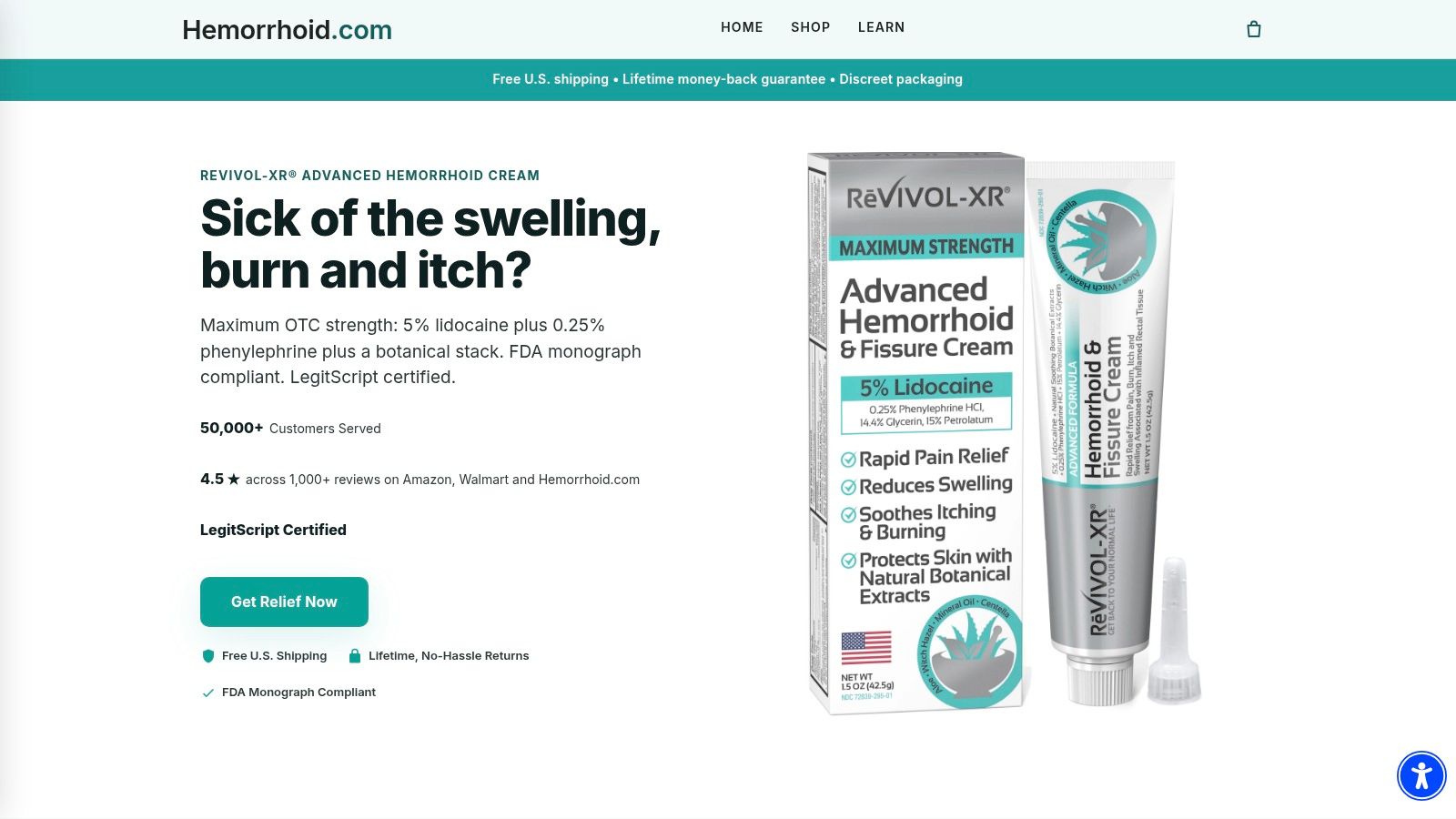
Before using any cream, suppository, medicated pad, or spray, check the label and ask your obstetric provider or pharmacist. This matters even more if you have high blood pressure, heart disease, thyroid disease, diabetes, medication allergies, or another pregnancy complication.
A sensible decision process is:
- Identify the main symptom. Is it itching, surface irritation, swelling, pain, or bleeding?
- Check the active ingredients. Don't combine products without professional advice.
- Use only as directed. More product won't necessarily bring more comfort and may increase irritation.
- Stop if symptoms worsen. Bleeding is a reason to contact a healthcare professional rather than continuing self-treatment.
Creams can soothe external symptoms, but they don't replace assessment when bleeding is new, recurrent, heavy, or difficult to locate.
Recognizing When Bleeding Requires Immediate Care
A small amount of bright-red blood after a bowel movement can fit a hemorrhoid or fissure pattern. A different pattern needs more caution. Seek prompt medical advice if bleeding is heavy, continuous, accompanied by dizziness, or associated with severe abdominal or pelvic pain.
Dark or tarry stool also needs medical assessment because it doesn't match the typical bright-red pattern of bleeding near the anus. Contact your pregnancy care team if you're unsure whether the blood is rectal or vaginal, even if you feel otherwise well.
The guidance on when to see a doctor for hemorrhoids is useful for planning a conversation, but it shouldn't delay urgent care when symptoms are severe. Persistent bleeding, worsening pain, fever, faintness, or a new change in bowel habits should be evaluated.
Hemorrhoids can also appear or worsen around childbirth and the early postpartum period. Keep using gentle bowel habits and ask your provider what's appropriate after delivery, especially if you've had stitches, significant swelling, or ongoing bleeding.
Revivol-XR offers external comfort options, including a sitz bath soak and a topical cream designed for temporary relief of hemorrhoid-related itching, burning, soreness, and discomfort. Visit Revivol-XR to review the product directions, ingredient information, and safety guidance, and speak with your healthcare provider before using any medicated product during pregnancy.