Strongest Hemorrhoid Cream: OTC Actives Compared

About 40% of pregnant and postpartum women experience hemorrhoids or anal fissures, according to a review in peer-reviewed pregnancy-related research. For the strongest hemorrhoid cream, you're dealing with a common problem, not something embarrassing or unusual.
The challenge is that “strongest” can mean several different things. You may need fast numbing for pain, support for swelling, or a protective layer for irritated skin. The right choice depends on the symptom causing the most trouble, not just the boldest wording on the package.
| Main concern | Ingredient category to look for | What it may provide |
|---|---|---|
| Pain and burning | Lidocaine or pramoxine | Temporary numbing relief |
| Swelling and pressure | Phenylephrine | Temporary reduction in swollen tissue |
| Friction and soreness | Glycerin, petrolatum, or other protectants | A coating that helps shield irritated skin |
| Itching and irritation | Soothing ingredients such as witch hazel or aloe | Comfort during cleansing and short-term symptom care |
Table of Contents
- Finding Relief in the Strongest Hemorrhoid Cream Options
- Understanding the FDA Standards for Maximum Strength
- Comparing Numbing Agents and Swelling Reducers
- The Role of Protectants and Soothing Botanicals
- How to Choose Based on Your Specific Symptoms
- Safety Considerations and When to See a Doctor
Finding Relief in the Strongest Hemorrhoid Cream Options
Hemorrhoid discomfort can make sitting, walking, working, and using the bathroom feel difficult. A cream may help you get through those moments, but the most powerful option for one symptom may be a poor match for another.
The search for the strongest hemorrhoid cream often starts with pain. If burning or soreness is your main concern, a local anesthetic such as lidocaine can temporarily reduce the sensation. If swelling or pressure is more noticeable, a formula containing a vasoconstrictor may be more relevant. If wiping has left the area raw, a protectant may provide more useful comfort than a higher numbing strength.
The strongest formula is the one that matches your main symptom, not automatically the one with the longest ingredient list.
Many OTC products combine these categories. A clinically relevant example pairs lidocaine 4% with phenylephrine HCl 0.25%, offering a local anesthetic and a vasoconstrictor for temporary relief of hemorrhoid pain, burning, itching, soreness, discomfort, and swelling. The DailyMed label for this combination describes external use up to 3 to 4 times daily and advises stopping if symptoms haven't improved after 7 days.
Creams provide symptom control, not a guaranteed solution to the reason hemorrhoids developed. Constipation, straining, prolonged toilet sitting, and repeated irritation can continue to aggravate the area. Learn more about how long hemorrhoid cream may take to work, and seek medical advice if symptoms persist.
A simple way to narrow your choice is to ask:
- Is pain the dominant symptom? Consider a topical anesthetic.
- Is swelling the dominant symptom? Look for a vasoconstrictor.
- Is the skin irritated by friction or wiping? Consider a protectant or gentle cleansing support.
- Are several symptoms present? A multi-ingredient formula may address more than one temporary concern.
Understanding the FDA Standards for Maximum Strength
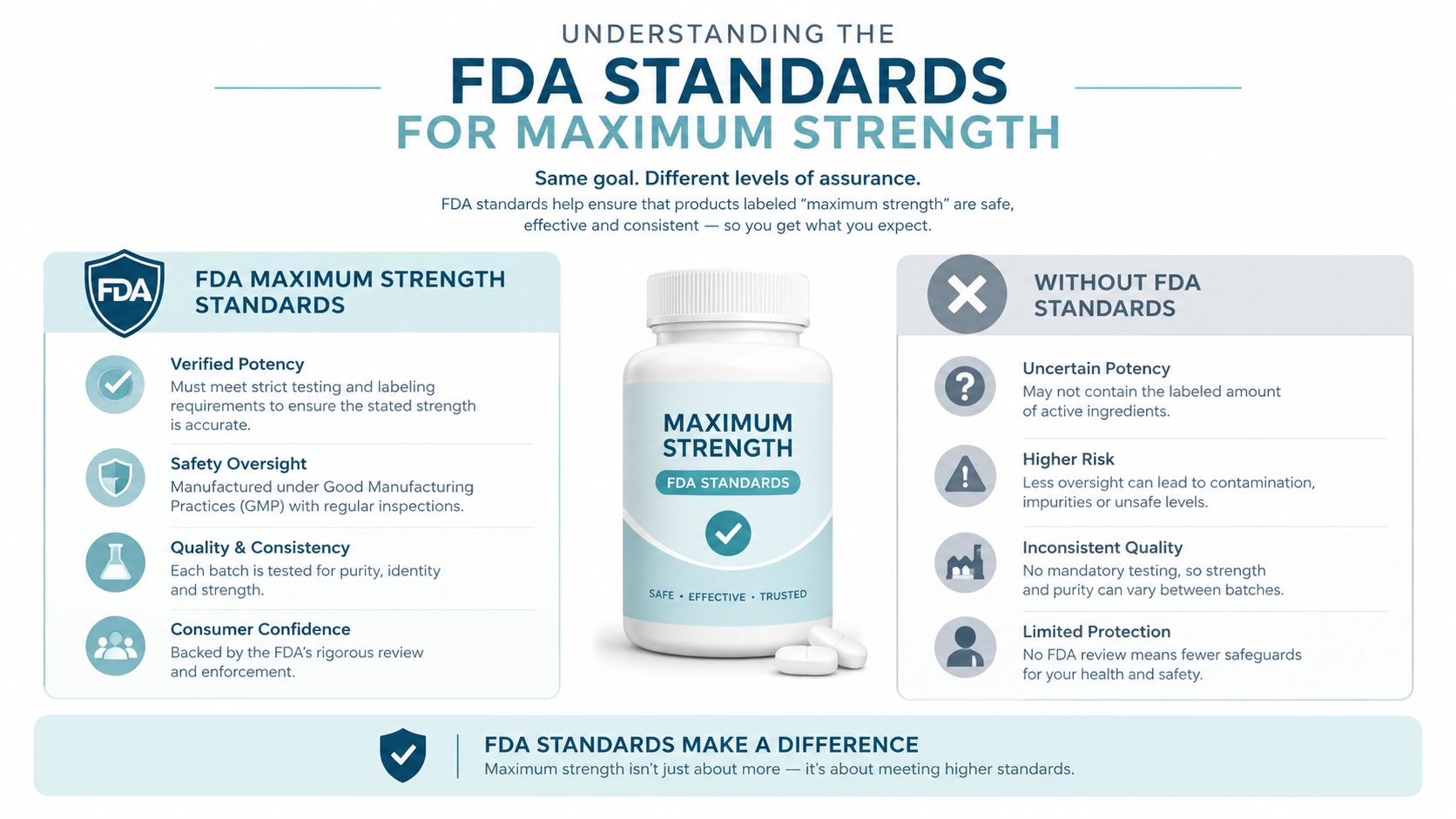
The phrase “maximum strength” has a specific practical meaning in the American OTC market. It usually refers to the highest permitted concentration of a particular active ingredient under the relevant FDA monograph, not to an official ranking of all hemorrhoid creams.
For anorectal pain relief, the FDA OTC anorectal drug monograph allows lidocaine at concentrations from 2% to 5%. That makes 5% lidocaine the top monograph-permitted OTC concentration for this anesthetic use.
Lidocaine is used for temporary local numbing. A product with 5% lidocaine may therefore be described as maximum strength for numbing, while a product with a lower concentration may still be appropriate for someone who needs milder symptom support.
The same FDA monograph permits other active categories, including pramoxine hydrochloride at 1%, along with protectants and astringents. This is why “strongest” can't be judged by lidocaine alone. A product with a numbing agent may address pain, while another formula may focus more on coating, soothing, or temporary swelling relief.
Read the active ingredients first
Marketing language can sound impressive, but the Drug Facts panel tells you what the product is designed to do. Look for the active ingredient, its concentration, and whether the label says the product is for external use, internal use, or both.
For example, Revivol-XR 5% Lidocaine Numbing Cream, Maximum OTC Hemorrhoidal Grade Strength contains 5% lidocaine as its active ingredient and is described as an external topical anesthetic for temporary relief of localized pain, itching, and burning. Its snapshot also lists aloe vera and vitamin E among the inactive ingredients. Follow the product label rather than assuming that a higher concentration should be applied more often.
The FDA ceiling doesn't mean stronger numbing is always better. Expert review literature notes that 5% lidocaine is commonly used for short-term pain control, but dependable long-term efficacy data are lacking, as described in this review of topical treatment options. If you keep needing high-strength cream, the priority should shift toward identifying the cause and discussing persistent symptoms with a healthcare provider.
Comparing Numbing Agents and Swelling Reducers
Numbing agents and swelling reducers work toward different goals. Treating them as interchangeable is one of the easiest ways to choose the wrong product.
Lidocaine and pramoxine are local anesthetic ingredients used for temporary relief from discomfort such as pain, burning, or itching. They don't remove the underlying hemorrhoid. They make the area feel less uncomfortable while the product is active.
Phenylephrine is a vasoconstrictor. In OTC hemorrhoid products, it is used to temporarily reduce swollen hemorrhoidal tissue. A formula that pairs phenylephrine with lidocaine can therefore address both pressure from swelling and the sensation of pain or burning.
| Ingredient type | Primary purpose | Best fit when |
|---|---|---|
| Lidocaine | Temporary local numbing | Pain or burning is stopping normal activity |
| Pramoxine | Temporary anesthetic comfort | Itch and discomfort are prominent |
| Phenylephrine | Temporary swelling reduction | Pressure or swollen tissue is the main concern |
| Witch hazel | Astringent and soothing support | Cleansing and irritation are causing discomfort |
Witch hazel belongs in a different category. It isn't a substitute for lidocaine, and it doesn't perform the same role as phenylephrine. It may be included in wipes, lotions, or topical products intended to soothe irritated skin and support gentler cleansing. You can compare its role with other ingredients in this guide to anorectal cream with lidocaine.
Why combination formulas can feel more complete
A person may have burning after a bowel movement, swelling while sitting, and tenderness from repeated wiping. One active ingredient may not address every part of that experience. Combination formulas are built around separate functions, such as numbing, temporary swelling support, and skin protection.
That doesn't make every combination suitable for every person. Read the label carefully, especially if you have heart disease, high blood pressure, thyroid disease, diabetes, difficulty urinating, or take prescription medicines. Ask a pharmacist or healthcare provider before use if any warning applies to you.
The Role of Protectants and Soothing Botanicals
A hemorrhoid cream can reduce discomfort while a protectant helps limit additional irritation. The skin around the anus is exposed to moisture, friction, bowel movements, and wiping, so comfort often depends on more than numbing alone.
Glycerin and petrolatum are examples of protectants used to coat irritated anorectal skin. A labeled product that combines lidocaine 5%, phenylephrine HCl 0.25%, and glycerin 14.4% is designed to provide temporary relief from itching, pain, soreness, burning, and discomfort while also supporting a protective layer. Its directions specify external application up to 4 times daily, including after bowel movements, according to the DailyMed product label.
Match the support ingredient to the irritation
- For friction: A barrier-forming protectant may help reduce contact between irritated skin and moisture.
- For repeated wiping: Gentle cleansing can be less irritating than scrubbing with dry toilet paper.
- For itching: Witch hazel or aloe may provide soothing support, but they shouldn't replace medical advice when symptoms continue.
- For sensitive skin: Choose a product with clear directions and stop if redness, swelling, or irritation worsens.
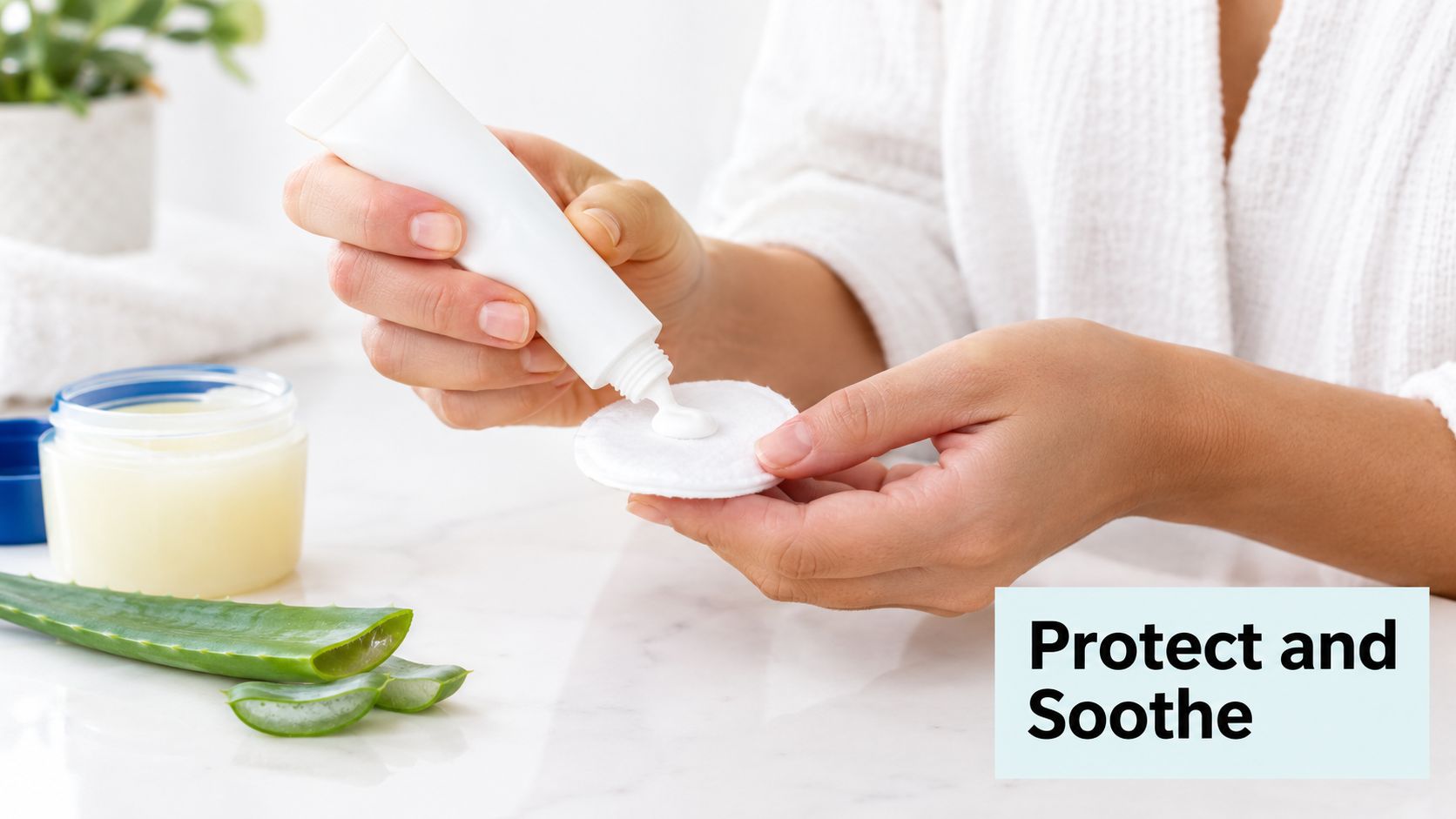
Witch hazel can be useful in a cleansing routine, but application matters. Avoid vigorous rubbing, fragranced products, and anything that causes stinging. This guide to witch hazel creams for hemorrhoids offers additional context on where it fits.
Revivol-XR® Hygienic Cleansing Lotion, Gentle Relief and Soothing Aloe and Witch Hazel is described as an external cleansing lotion containing aloe, witch hazel, chamomile, mineral oil, and vitamin E. Its product information says to apply a dime-sized amount to toilet paper for cleansing, and it advises avoiding contact with the eyes.
Use comfort measures together
A topical product works best as one part of a gentler routine. Clean the area carefully, pat dry instead of rubbing, avoid straining, and pay attention to bowel habits. If every bowel movement reopens the cycle of irritation, increasing cream strength alone won't solve the problem.
How to Choose Based on Your Specific Symptoms
“Strongest” depends on the symptom you need to control. A person with sharp external pain after a bowel movement may need a topical anesthetic, while someone with pressure and swollen tissue may need a product aimed at swelling.
For pain, 5% lidocaine represents the top OTC monograph-permitted lidocaine concentration in the United States. It can reduce the sensation of pain, much like turning down an alarm, but it does not address every cause of discomfort. Use it exactly as the label directs, and seek professional evaluation for severe or ongoing pain.
Swelling calls for a different comparison. A numbing cream may make the area feel more comfortable without reducing swollen tissue in the same way as a formula containing phenylephrine. Look for a label that identifies phenylephrine as a vasoconstrictor when swelling is the dominant symptom.
Pregnancy and postpartum change the decision
Pregnancy-related hemorrhoidal disease is reported in 24% to 35% of cases, with some studies reporting rates near 85% during the second and third trimesters. Hemorrhoids and fissures were reported most often in the third trimester, at 61% of cases, and on the first or second day after delivery, at 34% of cases, according to the pregnancy and perianal disease review, which also summarizes guidance that lidocaine may be acceptable after the first trimester and that hydrocortisone and pramoxine are highlighted as safer options later in pregnancy.
These figures help explain why postpartum readers may search for the strongest cream. Pregnancy and breastfeeding still require individual advice. Check the product label and ask a healthcare professional before using a hemorrhoid product, particularly when considering an anesthetic, vasoconstrictor, hydrocortisone, or pramoxine.
Desk work adds a practical problem
Desk work can make temporary daytime comfort a priority, yet the routine around the cream may matter just as much. Long periods of sitting, hard stools, and straining can keep irritation active. Choose a labeled product for the symptom causing the most trouble, then support that choice with hydration, fiber, movement, and healthier toilet habits instead of repeatedly increasing topical strength.
Safety Considerations and When to See a Doctor
OTC hemorrhoid creams are meant for temporary symptom relief. They aren't a cure for every cause of anal pain, itching, swelling, or bleeding, and long-term reliance on a topical product can delay an evaluation that you may need.
Follow the Drug Facts label for the product you choose. Don't combine several products with overlapping active ingredients unless a pharmacist or healthcare provider tells you it is appropriate. Stop using a product and ask for medical advice if the condition worsens, an allergic reaction develops, or redness, irritation, swelling, or pain increases.
A cream can quiet a symptom without explaining why the symptom appeared. Persistent discomfort needs an answer, not just another application.
Pregnant or breastfeeding readers should ask a healthcare professional before using a hemorrhoid product. This is especially important when considering anesthetics, vasoconstrictors, hydrocortisone, or pramoxine. Anyone with heart disease, high blood pressure, thyroid disease, diabetes, urinary difficulty related to an enlarged prostate, or relevant prescription medicines should also review the label warnings before use.
A warm sitz bath, gentle cleansing, fluids, fiber, and regular movement may support comfort alongside an OTC product. Revivol-XR® Sitz Bath Soak Mix, Super Concentrated 20-in-1 Blend with Epsom Salt and Essential Oils is described as a bath-water additive containing ingredients such as Epsom salt, Dead Sea salt, witch hazel, aloe vera, chamomile oil, and calendula oil. Its product information advises external use only, a small sensitivity test, and medical guidance for people with sensitive skin or essential oil allergies.
Know the warning signs
Rectal bleeding shouldn't automatically be blamed on hemorrhoids. MedlinePlus guidance on hemorrhoids advises medical evaluation when symptoms don't improve with home treatment or when rectal bleeding occurs. Urgent help is needed if you lose a lot of blood or feel dizzy, lightheaded, or faint.
Recent guidance also emphasizes that persistent symptoms may require fiber, fluids, and evaluation for office procedures such as rubber band ligation rather than moving straight to a stronger cream. If pain, bleeding, or swelling continues, contact a healthcare provider.
Revivol-XR offers OTC options for temporary hemorrhoid discomfort, including 5% lidocaine numbing support, soothing cleansing care, and a sitz bath product. Review the labels and choose the option that matches your main symptom by visiting Revivol-XR, then speak with a healthcare provider if symptoms persist, worsen, or include bleeding.